
Planning a business trip to Bali in 2026? It’s a beautiful island, for sure, but like any trip, especially for work, you want to make sure everything goes smoothly. Things can happen, right? Traffic can be crazy, and you want to keep your stuff safe. Plus, there’s the whole culture thing to think about. This guide is just a quick rundown to help you stay aware and have a good, safe time while you’re there for business. We’re talking about the real stuff, not just the tourist brochures.
Key Takeaways
- When getting around, especially on a scooter, always wear a helmet. Traffic is a big deal there, so be careful. Maybe hiring a driver is a better idea if you’re not used to it.
- Keep your valuables safe. Don’t flash expensive things, and use hotel safes. Be smart about where you change money, too.
- Respect the local ways. Dress appropriately when you go to temples, and just be polite. It makes things easier for everyone.
- When you’re out at night, stick with friends if you can. Watch your drinks and make sure you have a safe way to get back to where you’re staying.
- Get travel insurance that actually covers what you might do, like scooter accidents. And always have important phone numbers handy, just in case.
Navigating Bali’s Roads Safely
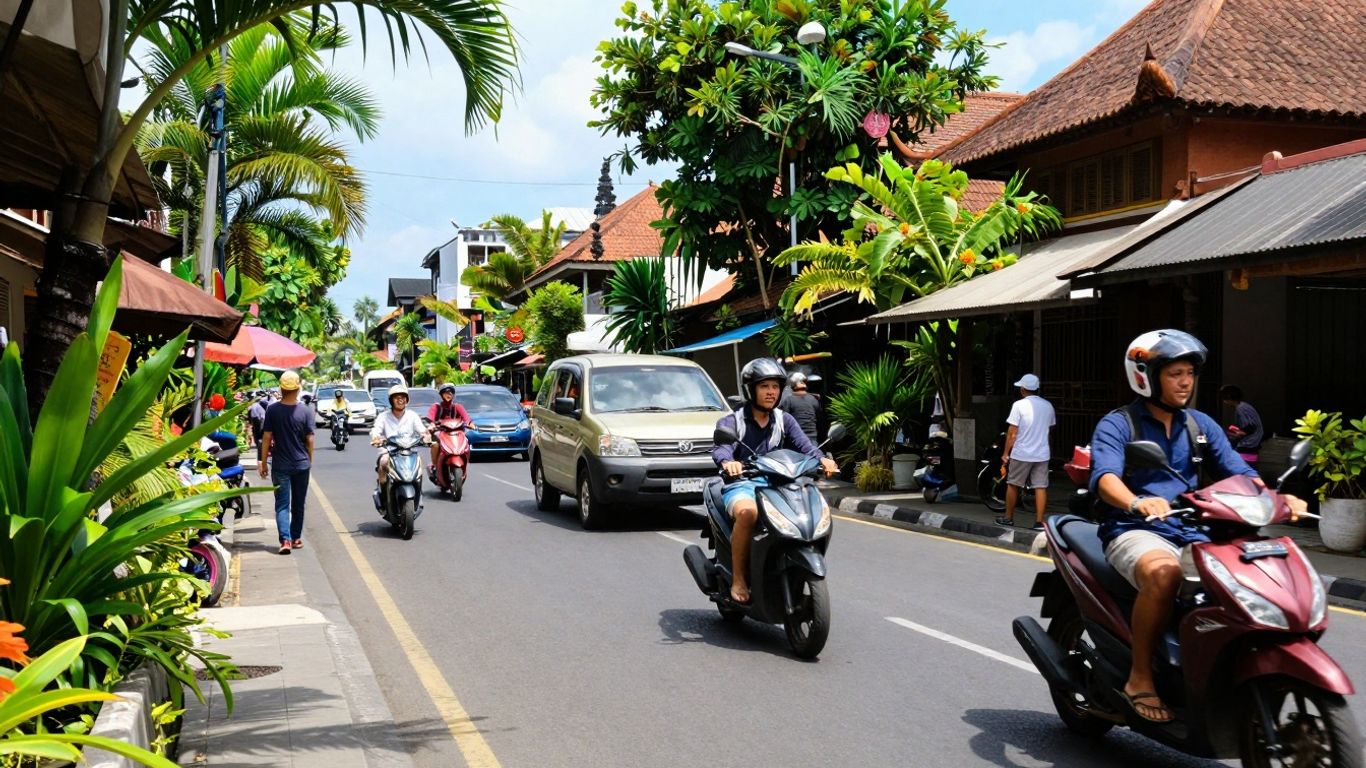
Getting around Bali can feel like a big part of the adventure, but it’s wise to be smart about how you do it. The island’s roads can get pretty wild, and if you’re not used to it, it can feel a bit overwhelming. Choosing the right way to travel can make a big difference in your trip.
Understanding Traffic Risks
Traffic is definitely the number one safety issue here. You’ll see motorbikes everywhere, and while they seem like the easiest way to zip around, they can be risky, especially if you’re not a seasoned rider. Bali’s traffic is different from what many people are used to. Roads can be bumpy, and other vehicles might not always follow the rules you’re accustomed to. It might look chaotic, but there’s a rhythm to it. Just don’t assume everyone will stick to the rules – be prepared for the unexpected. Road rules are often loosely enforced, and accidents frequently involve tourists who aren’t familiar with scooters.
Safe Transport Alternatives
When you need to get from point A to point B, stick to services you can trust. Ride-hailing apps like Grab and Gojek are super popular and generally a good bet. You just hop on the app, book your ride, and the price is usually set beforehand, so no awkward haggling needed. Plus, you can track your trip and share your location with someone if you want. For longer trips or if you prefer more comfort, hiring a private driver is also a solid option. Many drivers are happy to show you around and share local tips. Just make sure you book them through your hotel or a well-known agency.
Essential Scooter Safety Practices
If you’re not super confident on two wheels, it’s probably best to skip renting a scooter altogether. Seriously, it’s not worth the risk. But if you do decide to rent, always, always wear a helmet. Make sure it’s properly fastened. Avoid riding at night or during heavy rain, and never ride under the influence of alcohol. Double-check that your travel insurance covers any accidents if you plan on riding.
- Only ride a scooter if you already know how to ride one well.
- Always wear a helmet, and make sure it’s securely fastened.
- Avoid riding at night or during periods of heavy rain.
- Never operate a scooter after consuming alcohol.
The island’s roads can be unpredictable. Staying alert and choosing familiar, reputable transport options will significantly contribute to a safer and more enjoyable business trip.
Securing Your Well-being in Bali
When you’re in Bali for business, your personal safety and health are just as important as your work. It’s about making smart choices so you can focus on what you came to do without unnecessary worries. Bali is generally a welcoming place, but like anywhere, a little awareness goes a long way.
Choosing Secure Accommodation
Where you stay can really impact your sense of security. For longer business trips, consider options beyond standard hotel rooms. Villas, for instance, can offer more privacy and control over your environment. They often have fewer shared spaces, meaning less exposure to strangers, and you can manage your own food preparation in a kitchen, which is a plus for health and budget. Many professionally managed villas also have staff available for assistance, which can be helpful if any issues arise. It’s worth looking into places that have clear safety procedures in place, like staff trained in basic first aid. This kind of setup can make a big difference in feeling settled and safe, especially if you’re working remotely for a while. You can find more details on villa guest safety and support here.
Protecting Valuables and Finances
Keeping your belongings safe is pretty straightforward if you’re mindful. Always use the safe in your hotel room or villa for your passport, extra cash, and any other important documents or items you don’t need with you daily. It’s the easiest way to keep them out of sight. When you’re out, try not to flash expensive jewelry or electronics. Be discreet when handling money, and if you’re using ATMs, try to do so during daylight hours and in well-lit, busy areas. Stick to ATMs attached to banks rather than standalone ones if possible.
Health and Hydration Essentials
Bali’s tropical climate means staying hydrated is super important. Dehydration can make you feel unwell, dizzy, and less alert, which isn’t ideal when you’re trying to be productive or just enjoy your downtime. Always carry a water bottle with you and sip from it regularly. This is especially true if you’re consuming alcohol; alternate alcoholic drinks with water. Be cautious with local spirits like Arak, as they can sometimes be mixed with dangerous substances. It’s safer to stick to well-known brands from reputable establishments. If a drink looks or tastes off, or if it’s offered in a suspicious way, it’s perfectly fine to politely decline. Your health comes first.
Staying aware of your surroundings, especially in crowded areas, and trusting your instincts are key. If a situation feels uncomfortable, it’s okay to remove yourself from it. Having a plan for getting back to your accommodation, especially at night, is also a smart move.
Cultural Respect for a Smoother Journey
Bali is a place with a really deep culture, and when you’re there for business, it’s important to remember you’re a guest. The island’s vibe is a big part of why people visit, and that includes its traditions and peaceful way of life. It’s easy to get caught up in work or exploring, but try to keep in mind that you’re in someone’s home.
Understanding Local Etiquette
Balinese people are generally very polite and greet with smiles. Communication can be a bit indirect; people often avoid direct confrontation and prefer to express things subtly. Small talk is common, so don’t hesitate to exchange a few friendly words when you’re out and about – it’s usually welcomed. Showing respect for local customs can really make your interactions smoother.
Here are a few things to keep in mind:
- Greetings: A gentle nod or a slight bow is a common way to greet. Firm handshakes might feel too formal.
- Giving and Receiving: Use both your hands when giving or receiving something, especially to elders or in more formal situations.
- Body Parts: Avoid pointing your feet directly at people or religious items. Feet are considered the least clean part of the body.
- Personal Space: Touching someone’s head, even children’s, is generally avoided as it’s seen as sacred.
- Public Displays: Keep public displays of affection to a minimum; save hugs or kisses for private moments.
Navigating Religious Sites Respectfully
Bali has many temples and other sites that hold deep spiritual meaning for the local people. Even if you’re just passing by, remember these places are sacred. If you plan to visit any temples, dress modestly. This usually means covering your shoulders and knees. It’s a good idea to carry a sarong or shawl with you just in case. Avoid loud talking, littering, or taking photos that might seem disrespectful near these holy places. It’s a simple courtesy that shows you value their heritage.
Building Positive Interactions
When you’re interacting with locals, whether it’s your hotel staff, a driver, or someone at a market, politeness goes a long way. A simple "terima kasih" (thank you) with a smile is always appreciated. Be patient, especially if there’s a language barrier. Remember that Bali’s culture values harmony, and visitors who show respect are usually met with warmth in return. It’s not about being overly formal; it’s about being considerate and aware of your surroundings.
Being mindful of local customs isn’t just about following rules; it’s about appreciating the unique character of Bali and contributing to a positive experience for everyone. It helps reduce misunderstandings and builds goodwill.
Staying Aware During Bali Nights
Bali’s nightlife is legendary, and for good reason. Whether you’re looking for a quiet beach bar or a lively dance floor, the island has something for everyone. But like any place with a buzzing scene after dark, a bit of common sense goes a long way to ensure your evenings are as enjoyable as they are safe. It’s not about being scared; it’s about being smart so you can fully soak up the good times.
Nightlife Safety Guidelines
When you’re out and about after sunset, keeping your wits about you is key. This means paying attention to your surroundings, especially in busy spots. Notice who’s around you and if anyone seems overly interested in you or your group. Trusting your gut feeling is also super important. If a situation or person makes you feel uneasy, don’t hesitate to remove yourself from it. Your comfort and safety come first, no matter what.
- Stay alert in crowded areas. Keep an eye on your belongings and be aware of who is near you.
- Trust your instincts. If a place or person feels off, leave. Don’t worry about being polite.
- Be cautious with drinks. Never leave your drink unattended and be wary of accepting drinks from strangers.
It’s easy to get caught up in the fun, but a few simple habits can prevent a lot of potential trouble. Think of it as a small investment in a great night out.
Planning Your Return Journey
Getting back to your accommodation safely is just as important as the night out itself. Relying on official transportation is the way to go. This includes reputable taxi companies or ride-sharing apps like Gojek or Grab. If you’re considering renting a scooter, it’s best to avoid riding at night, especially if you’ve been drinking. The roads can be unpredictable, and visibility is lower. A car with a driver is a fantastic, stress-free option for getting around after dark.
Responsible Enjoyment of Local Spirits
While enjoying Bali’s nightlife, it’s wise to be mindful of your alcohol consumption. Pace yourself and make sure to drink plenty of water in between alcoholic beverages. This helps you stay hydrated and keeps your wits about you. Be cautious when trying local spirits, as quality can vary, and some may not be prepared safely. Sticking to well-known brands or reputable establishments is a good practice. Remember, the goal is to have a good time without overdoing it, so you can enjoy your entire trip to Bali.
Preparing for Bali’s Natural Environment
Bali’s got this amazing tropical vibe, but like anywhere, the natural world here has its own rhythm and potential challenges. It’s not usually extreme, but being aware makes a big difference for a smooth trip.
Beach and Water Safety
The beaches are a huge draw, right? They’re stunning, but some can be tricky. You’ve got to watch out for strong currents, especially rip tides, which can pull you out fast. If you see red flags flying, that’s a clear sign to stay out of the water. Surf conditions can change on a dime, so even if you’re a decent swimmer, don’t take the waves lightly. It’s always a good idea to stick to areas where other people are swimming and don’t hesitate to ask locals or lifeguards about the conditions before you jump in.
Seasonal Weather Considerations
Bali has two main seasons: the dry season runs from April to October, and the rainy season kicks in from November through March. During the wet months, you can expect more humidity and, yes, rain. This can sometimes lead to brief road flooding, so give yourself extra time if you’re traveling around. The increased humidity also means mosquitoes are more active, so packing some repellent is a smart move. While earthquakes and volcanic activity are monitored, they’re not a daily concern for most visitors, but it’s good to know authorities keep an eye on things and communicate alerts if needed.
Understanding Natural Hazards
While Bali is generally safe, it’s good to be aware of a few things. The island sits on the Pacific Ring of Fire, meaning earthquakes can happen, though major ones are infrequent. There are also active volcanoes, like Mount Agung and Mount Batur, but they are closely watched, and eruptions are rare. For most tourists, these aren’t a direct threat, but it’s wise to follow any local instructions if alerts are issued. Monkeys, especially around temples and forests, can be bold. They might try to snatch food or belongings, and if they feel threatened, they can scratch or bite, so it’s best to keep a safe distance and avoid provoking them.
Being prepared for Bali’s natural environment means more than just packing sunscreen. It’s about respecting the ocean’s power, understanding how the seasons might affect your plans, and being mindful of the local wildlife. A little awareness goes a long way in keeping your trip safe and enjoyable.
Essential Preparations for Business Travel Bali Safety

Getting ready for a business trip to Bali means more than just packing your suits and presentation notes. It’s about making sure you’re covered on all fronts, from your documents to your well-being. A little bit of prep work goes a long way in making your trip smooth and worry-free.
Digital and Physical Document Safeguarding
Your passport and visa are your golden tickets, so treat them that way. Always keep your passport valid for at least six months beyond your intended stay; it’s a strict rule for entering Indonesia. Make digital copies of all your important documents – passport, visa, flight tickets, hotel reservations, and even your driver’s license. Store these securely in cloud storage or email them to yourself. This way, if the physical copies go missing, you’ve got backups ready to go. Keep the physical copies separate from each other, perhaps one set in your carry-on and another in your checked luggage, just in case.
Emergency Contact Information
It’s a good idea to have a list of important contacts readily available, both digitally and on paper. This should include:
- Your company’s emergency contact person.
- Your embassy or consulate details.
- Your accommodation’s contact number.
- A local emergency number (like 112 for general emergencies in Indonesia).
- Your primary doctor back home.
Keep this list somewhere accessible, like your phone’s lock screen notes or a small card in your wallet. It’s a simple step that can be a lifesaver if you find yourself in a tricky situation.
Comprehensive Travel Insurance
Don’t skimp on travel insurance for your business trip. It’s your safety net for the unexpected. Make sure your policy covers:
- Medical emergencies and hospital stays.
- Emergency medical evacuation, especially if you’re traveling to more remote areas.
- Trip cancellation or interruption.
- Lost or stolen baggage.
Some policies might exclude things like scooter accidents, so check the fine print carefully. Having the right insurance means you can focus on your work, knowing that you’re protected if something goes wrong. You can find more details on what to look for in travel insurance policies for Bali here.
Being prepared isn’t about expecting the worst; it’s about being ready for anything. A few minutes spent organizing your documents and insurance can save you hours of stress and potential problems later on. Think of it as part of your business strategy for a successful trip.
Planning a trip to Bali for business? It’s smart to think about staying safe. Making sure you’re prepared can make your trip much smoother and worry-free. Don’t leave your safety to chance; learn the best ways to protect yourself and your business interests while you’re there. Visit our website today for expert tips and services to ensure your Bali business travel is secure.
Wrapping Up Your Bali Trip
So, Bali in 2026. It’s a place that draws people in with its beauty and unique vibe, and for the most part, it’s a really safe spot to visit. Like anywhere, though, things go smoother when you’re prepared. Thinking ahead about where you’ll stay, how you’ll get around, and just generally keeping your wits about you makes a huge difference. Whether you’re here for a quick getaway or settling in for a while, Bali has a lot to offer. Just remember to respect the local ways, trust your instincts, and you’ll likely have an amazing time without any major hiccups. Enjoy the island!
Frequently Asked Questions
Is Bali a safe place to visit in 2026?
Yes, Bali is generally a safe place for tourists in 2026. Millions of people visit every year without major issues. Most problems are minor, like petty theft or traffic troubles, and can be avoided with common sense. Violent crime is very rare.
What are the biggest safety risks in Bali?
The most common safety concern is traffic, especially if you’re not used to riding scooters. Other risks include petty theft, like pickpocketing in crowded areas, and getting ‘Bali belly’ from food or water. It’s wise to be aware of these things but not overly worried.
Is it safe to ride a scooter in Bali?
Scooters are a popular way to get around, but they can be risky, particularly for inexperienced riders. Roads can be busy and unpredictable. If you don’t have experience, it’s much safer to use taxis or ride-sharing apps like Grab or Gojek. Always wear a helmet if you do ride.
Can I drink the tap water in Bali?
No, you should not drink tap water in Bali. It’s best to stick to bottled or filtered water for drinking and even for brushing your teeth, especially if you have a sensitive stomach. Most hotels and villas provide safe drinking water.
What areas are considered the safest in Bali?
Places like Sanur, Ubud, and Seminyak are generally considered very safe and welcoming for visitors. Areas with lots of local residents and long-term travelers, like parts of Canggu, also tend to feel secure. These places have good services and are used to tourists.
What should I do if I have an emergency in Bali?
In an emergency, you should contact local emergency services immediately. It’s also a good idea to have your country’s embassy contact information handy and know the location of the nearest hospital. Many hotels can also help you get assistance quickly.