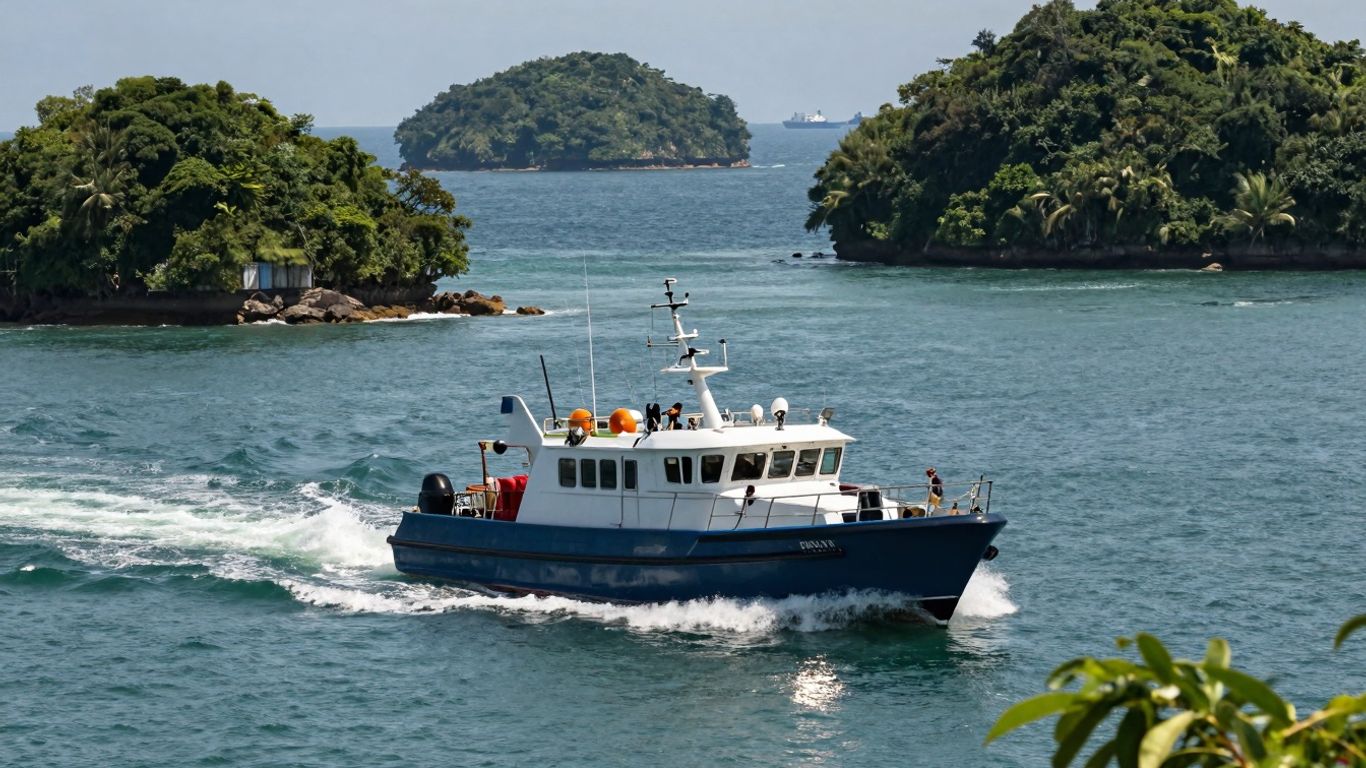
Indonesia, being the world’s largest archipelagic nation, has a huge amount of ocean territory. This makes maritime security in Indonesia a really big deal, not just for the country itself but for the whole region. There are lots of different things that can go wrong out at sea, from illegal fishing and smuggling to bigger issues like territorial disputes and even new kinds of warfare. Keeping these waters safe and secure is a massive job, and it involves a lot of different players and strategies.
Key Takeaways
- Indonesia’s vast ocean territory, a result of the Djuanda Declaration, presents unique challenges and opportunities for maritime security.
- Contemporary threats to maritime security in Indonesia include criminal activities by groups, new forms of warfare, and environmental damage like pollution.
- Strengthening Indonesia’s maritime security involves improving institutions like Bakamla RI, reorganizing law enforcement, and understanding the country’s maritime geography.
- Effective strategies for maritime security require better data sharing, defining clear operational roles, and improving how things are run and managed at sea.
- Collaboration, both within Indonesia across different agencies and internationally with other coast guards, is vital for tackling complex maritime security issues.
Navigating Indonesia’s Vast Maritime Domain
The Djuanda Declaration and Sovereignty
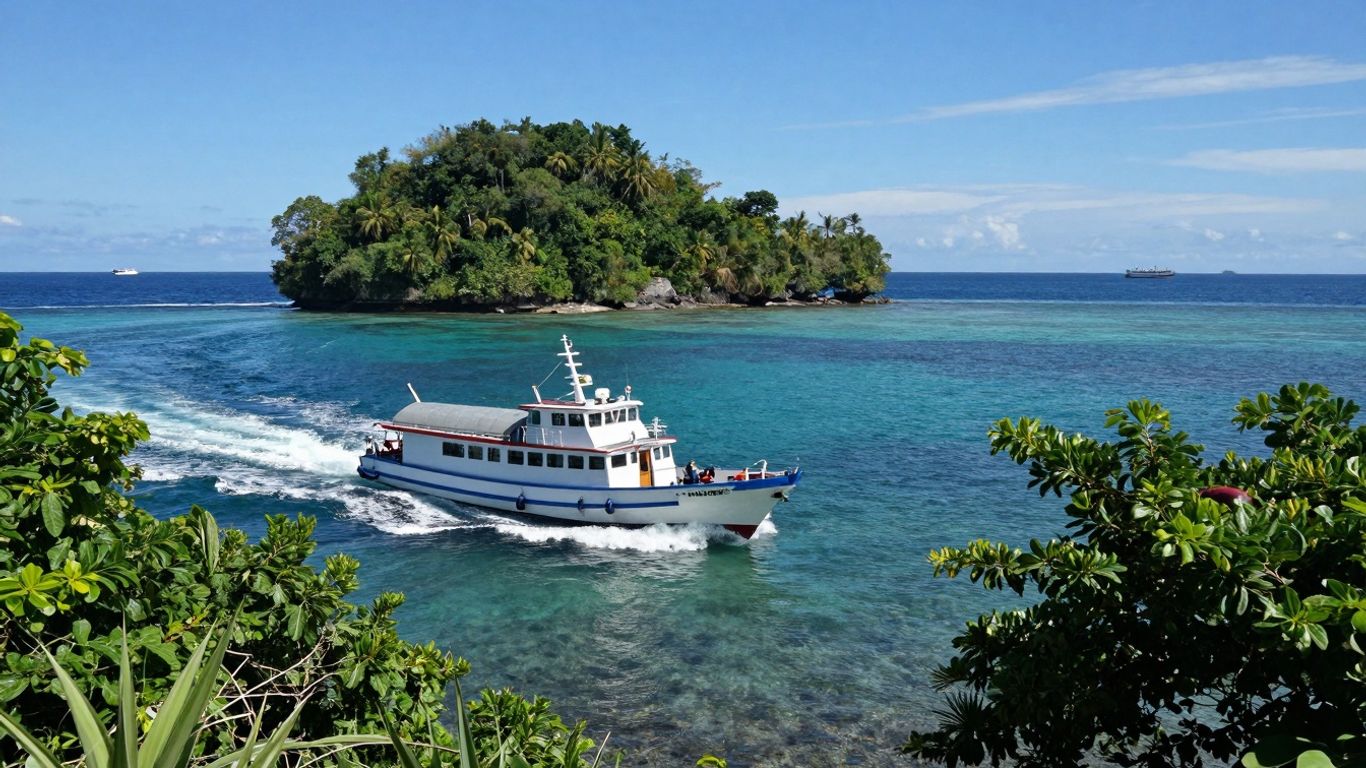
Back in 1957, Indonesia made a pretty big statement with the Djuanda Declaration. It basically said that all the waters connecting our islands are part of our territory, not just the bits close to shore. This was a huge deal for defining our country’s borders and making sure our sovereignty was clear. Before this, it was a bit of a mess, with different countries having different ideas about where Indonesia’s waters began and ended. The declaration helped solidify our claim over a massive area, which is pretty important when you’re an archipelago.
Indonesia’s Archipelagic Nature
Let’s face it, Indonesia is not just a country with a coastline; it’s a collection of over 17,000 islands. This unique geography means our maritime domain is enormous, stretching across a vast expanse of ocean. It’s not just about the land; it’s about the water connecting everything. This archipelagic nature presents both incredible opportunities and significant challenges. Think about it: all those sea lanes are vital for trade and travel, but they also become pathways for all sorts of unwanted activities.
- Vast Waterways: Indonesia’s waters cover more area than its landmass.
- Strategic Location: Situated between the Indian and Pacific Oceans, it’s a key transit point.
- Resource Rich: The seas hold significant potential for fisheries, minerals, and energy.
Geom maritime Resilience as a Framework
When we talk about keeping our seas safe and secure, we need a solid plan. That’s where the idea of ‘geom maritime resilience’ comes in. It’s a way of looking at how our geography and our maritime activities interact with security. It’s about building up our ability to withstand and bounce back from problems at sea, whether they’re natural or man-made. This framework helps us think about how to protect our waters, manage our resources, and keep our sea lanes open and safe for everyone.
Building resilience means not just reacting to problems but proactively strengthening our systems and capabilities to handle whatever comes our way in the maritime environment. It’s a long-term approach to security.
Contemporary Maritime Security Threats
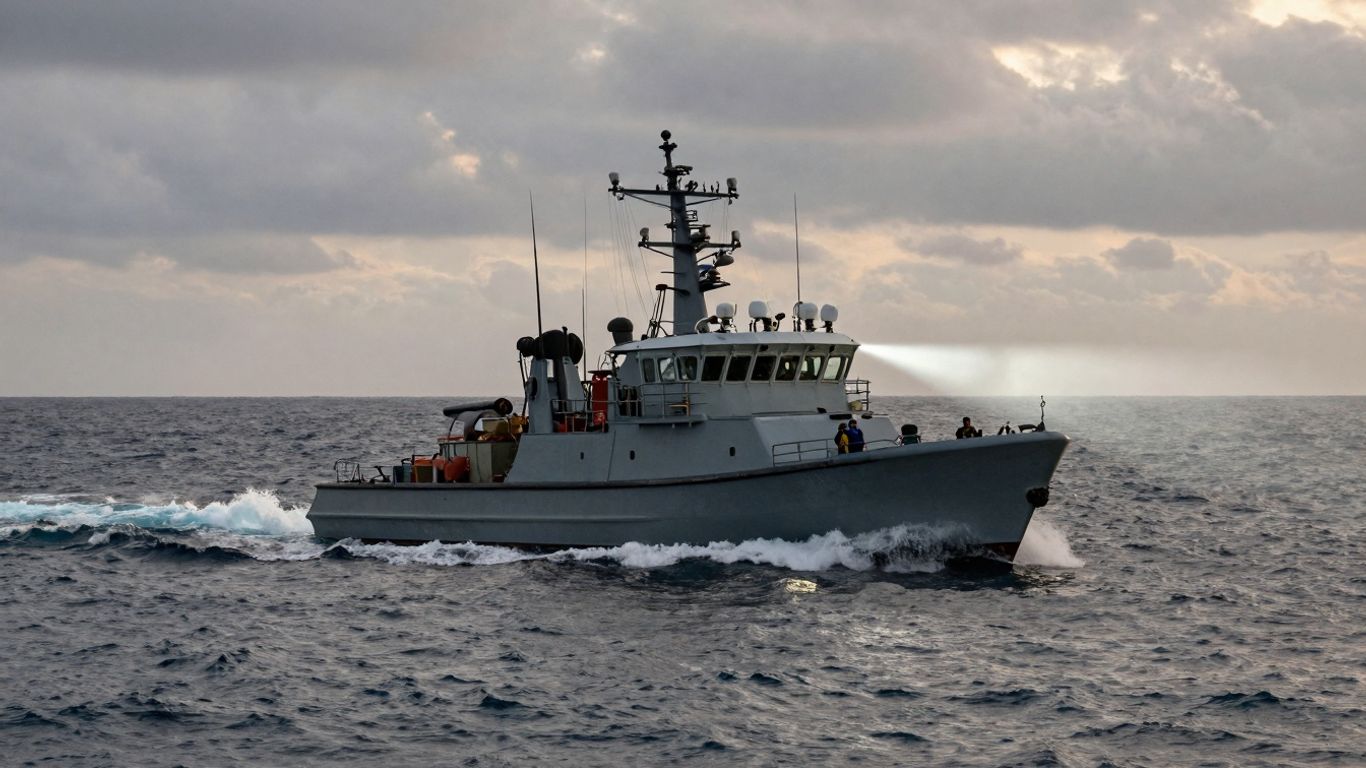
Indonesia’s waters, while rich with potential, are also facing a growing number of serious issues. It’s not just about big navies anymore; the threats are more varied and complex than ever before.
Non-State Criminal Activities at Sea
This is a big one. We’re talking about everything from illegal fishing that drains our resources to smuggling of all sorts – drugs, weapons, even people. Piracy, though maybe not as widespread as in some historical periods, still pops up, especially in busy shipping lanes. These activities aren’t just stealing; they disrupt trade, harm marine life, and can even lead to violence. It’s a constant headache for our coast guard and navy.
Emergence of Hybrid Warfare
This is a newer, more concerning development. Hybrid warfare mixes conventional military tactics with unconventional methods. Think cyberattacks targeting our maritime infrastructure, disinformation campaigns aimed at destabilizing the region, or even using proxies to create friction. The lines between peace and conflict are getting blurrier, and it’s harder to know who’s behind it all. This requires a different kind of defense, one that’s agile and can respond to threats that aren’t always visible.
Ecological Degradation and Pollution
This might not seem like a direct security threat at first glance, but it absolutely is. Pollution from ships, oil spills, and plastic waste are damaging our marine ecosystems. Overfishing, often done illegally, depletes fish stocks that many communities rely on. Climate change is also playing a role, with rising sea levels and changing weather patterns affecting coastal areas and maritime activities. Protecting our environment is directly linked to our long-term security and economic well-being. It’s about keeping our seas healthy so they can continue to support us. We need to think about how we manage our waters, perhaps looking at models for yacht management services to ensure responsible use.
The interconnectedness of these threats means that a problem in one area can quickly spill over into others. For instance, illegal fishing operations can sometimes be linked to organized crime, and environmental damage can create economic hardship, leading to social unrest. Addressing these issues requires a broad approach that looks beyond just military solutions.
Institutional Strengthening for Maritime Security
To really get a handle on Indonesia’s massive maritime space, we need to look at how our institutions are set up and how they work. It’s not just about having ships and people; it’s about having the right structure and clear roles. The Indonesian Maritime Security Agency, or Bakamla RI, has been around in various forms, evolving to meet new challenges. But with so much water and so many different threats, making sure these agencies are organized effectively is a big deal.
The Role of Bakamla RI
Bakamla RI is basically Indonesia’s coast guard, tasked with keeping our waters safe and secure. Think of them as the primary responders for a lot of maritime issues. Their job has gotten tougher, though. They’re dealing with everything from illegal fishing to smuggling and even potential state-level threats. To do their job well, they need clear authority and enough resources. It’s a constant balancing act to make sure they can respond to incidents without stepping on too many other agencies’ toes.
Reorganizing Maritime Law Enforcement
Right now, a bunch of different government bodies have a hand in maritime law enforcement. This can sometimes lead to confusion or overlap. We need to think about how these agencies can work together more smoothly, or maybe even consolidate certain functions. The goal is to have a system where enforcement is clear, efficient, and doesn’t waste resources. It’s about making sure the right agency is doing the right thing at the right time.
Enhancing Understanding of Maritime Geopolitics
Knowing where we are and why it matters is super important. Indonesia’s location is key to global trade routes, but it also means we’re right in the middle of a lot of complex international dynamics. Understanding the bigger picture – the geopolitics of our seas – helps us make better decisions about security. It’s not just about reacting to problems; it’s about anticipating them and planning accordingly. This means training our people to think strategically about the maritime environment.
A well-organized institutional setup is the backbone of effective maritime security. Without clear roles, sufficient resources, and a solid understanding of the geopolitical landscape, even the best intentions can fall short when faced with the realities of our vast maritime domain.
Here’s a look at some of the key areas needing attention:
- Clearer Mandates: Ensuring each maritime agency knows exactly what its responsibilities are.
- Resource Allocation: Making sure Bakamla RI and other relevant bodies have the equipment and personnel they need.
- Inter-Agency Coordination: Developing better systems for different agencies to share information and work together.
- Legal Frameworks: Reviewing and updating laws to support modern maritime security operations.
Strategies for Enhanced Maritime Security
Integrating Data and Information
Keeping track of everything happening on the water is a huge job, right? It’s like trying to watch every single car on every road in the country at once. To get a handle on it, we need to get all the different pieces of information talking to each other. Think about it: coast guard patrols, fishing vessel logs, weather reports, satellite imagery – they all have bits of the puzzle. When we can pull that data together, we get a much clearer picture of what’s going on, who’s where, and if anything looks out of place. This connected approach helps us spot trouble before it really becomes a problem.
Defining Essential Maritime Functions
What are the absolute must-do things for keeping our seas safe and productive? We need to nail down the core jobs. This means figuring out what activities are most important for national security, economic activity, and environmental protection at sea. It’s about prioritizing. For example, are we focusing enough on stopping illegal fishing, or is it more about making sure shipping lanes are clear? Defining these functions helps us allocate resources and attention where they’re needed most.
Here are some key functions to consider:
- Surveillance and Monitoring: Keeping an eye on our waters.
- Law Enforcement: Responding to and stopping illegal activities.
- Search and Rescue: Helping those in distress at sea.
- Environmental Protection: Preventing and cleaning up pollution.
- Resource Management: Overseeing the use of marine resources.
Improving Governance and Operational Posture
Sometimes, the rules and how we do things on the ground don’t quite match up. We need to make sure our maritime agencies have clear roles, good coordination, and the right tools to do their jobs effectively. This isn’t just about having more boats; it’s about smarter planning, better training, and making sure different agencies can work together without stepping on each other’s toes. It’s about having a strong, ready presence that can react quickly and appropriately.
A well-defined and coordinated approach to maritime governance, coupled with a proactive operational stance, is key to deterring threats and responding effectively to incidents. This involves streamlining command structures and ensuring that personnel are well-equipped and trained for the diverse challenges faced at sea.
The Importance of Collaboration and Diplomacy
Intersectoral Collaboration
When we talk about keeping Indonesia’s waters safe, it’s not just a job for one agency. Think of it like a big puzzle; you need all the pieces to see the whole picture. This means different government bodies, like the navy, coast guard, fisheries department, and even environmental agencies, need to work together. They all have different bits of information and different jobs to do, but if they don’t share what they know and coordinate their actions, things can fall through the cracks. For example, the fisheries department might know about illegal fishing activities, while the coast guard has the boats to go out and stop them. Without good communication, those illegal fishers could just keep going.
- Sharing intelligence: Agencies need to pass on information about suspicious activities.
- Joint operations: Planning and executing missions together makes them more effective.
- Standardized procedures: Having common ways of doing things reduces confusion.
- Resource pooling: Sometimes, sharing equipment or personnel can make a big difference.
Effective intersectoral collaboration requires clear lines of communication and a shared understanding of objectives. It’s about breaking down silos and recognizing that maritime security is a collective responsibility.
International Coast Guard Cooperation
Indonesia’s maritime domain is huge, and sometimes, threats don’t respect borders. Piracy, smuggling, and illegal fishing often cross from one country’s waters to another. That’s where working with other countries’ coast guards comes in. It’s like having neighbors who help each other keep an eye on things. Coordinated patrols, like those seen between Indonesia, Malaysia, and Singapore in the Malacca Strait, have shown real results in cutting down on maritime crime. These partnerships allow for better tracking of vessels and quicker responses to incidents. It’s not just about catching bad guys; it’s also about sharing best practices and learning from each other’s experiences.
Here’s a look at how cooperation can work:
| Country A | Country B | Area of Cooperation | Reported Impact |
|---|---|---|---|
| Indonesia | Malaysia | Coordinated Patrols | Reduced piracy incidents |
| Indonesia | Singapore | Information Sharing | Improved vessel tracking |
| Indonesia | Philippines | Joint Training | Enhanced response capabilities |
Engaging with Civil Society and Local Communities
We often focus on government agencies and international agreements, but the people who live and work by the sea are incredibly important too. Local communities, fishermen, and maritime businesses are the eyes and ears on the ground. They see what’s happening every day and often have a deep knowledge of their local waters. Getting them involved means listening to their concerns, sharing information with them, and making sure they understand the importance of maritime security. When people feel like they are part of the solution, they are more likely to report suspicious activities or help protect marine resources. This kind of local buy-in is a powerful tool that can’t be overlooked. Building trust with these groups is key to long-term success.
Addressing Specific Maritime Security Challenges
Indonesia’s massive ocean territory means we’re always dealing with some tricky situations at sea. It’s not just one thing, but a whole mix of problems that keep our maritime forces busy.
Combating Drug Smuggling in Archipelagic Sea Lanes
Drug smuggling through our waters is a huge headache. These criminal networks use the vastness of our archipelagic sea lanes, like the ones in the Makassar Strait, to move illegal substances. It’s a constant cat-and-mouse game. We’ve seen cases where these routes are heavily used, making it tough to intercept everything. Stopping these shipments requires a coordinated effort across multiple agencies and even international partners.
Here’s a look at some of the challenges:
- Vast and Complex Routes: The sheer number of islands and waterways provides countless hiding spots and transit points.
- Sophisticated Networks: Smugglers often use advanced communication and tactics to avoid detection.
- Resource Limitations: Patrolling such a large area with limited vessels and personnel is a constant struggle.
The flow of illicit drugs not only fuels organized crime but also has a devastating impact on communities, making its interdiction a top priority for national security.
Countering Piracy in Strategic Waterways
Piracy, though perhaps not as rampant as in some other regions, remains a threat, especially in busy shipping lanes. Areas like the Sulu Sea and the Malacca Strait have historically seen pirate activity. While coordinated patrols have helped, vigilance is still key. We need to keep an eye out for any resurgence of these activities that could disrupt trade and endanger seafarers. It’s about making sure our strategic waterways are safe for everyone.
Resolving Disputes in Exclusive Economic Zones
Disagreements over fishing rights and resource exploration within our Exclusive Economic Zones (EEZs) are another area that needs careful handling. These situations can sometimes escalate if not managed properly. It’s important to have clear protocols and diplomatic channels open to resolve these issues peacefully. Maintaining good relations with neighboring countries while firmly protecting our maritime rights is the goal. This often involves complex legal and diplomatic discussions, sometimes leading to situations where a country might blacklist a passport if activities threaten international stability [c50e].
Wrapping It Up
So, keeping Indonesia’s waters safe is a big job, no doubt about it. We’ve seen that there are a lot of different issues, from illegal fishing to bigger security concerns, and the sheer size of the country’s coastline makes it tough. It’s clear that just having rules isn’t enough; we need better teamwork between different agencies and a clearer idea of what everyone’s supposed to do. Plus, working with other countries seems like a smart move to share knowledge and resources. Ultimately, making sure Indonesia’s maritime security is strong means everyone needs to be on the same page, from the top leaders down to the folks out on the water every day. It’s a continuous effort, but a really important one for the nation.
Frequently Asked Questions
What makes Indonesia’s seas so important?
Indonesia is made up of thousands of islands, so its seas are super important! They connect all the islands, help with trade, and are full of resources. Protecting these waters is key to Indonesia’s safety and success.
What kind of dangers do Indonesia’s seas face?
Indonesia’s waters face many problems. These include pirates and criminals on boats, illegal fishing, pollution that harms sea life, and even new kinds of threats like cyber attacks or fake news that can cause trouble.
Who is in charge of keeping Indonesia’s seas safe?
The main group responsible for sea safety in Indonesia is called Bakamla RI, which is like the country’s Coast Guard. They work to stop crimes and keep things secure. Other agencies also help out.
How can Indonesia make its seas safer?
To make the seas safer, Indonesia needs to use better technology to track what’s happening, figure out the most important jobs to do at sea, and improve how its agencies work together. It’s like making a plan to be strong and ready.
Why is working with other countries important for sea safety?
Since seas connect different countries, working together is a must. Indonesia needs to team up with other nations, share information, and train together to tackle problems like piracy or smuggling that cross borders.
What are some specific problems Indonesia is trying to solve at sea?
Indonesia is working hard to stop things like drug smugglers using its sea routes, pirates attacking ships in busy areas, and disagreements with other countries about fishing or resources in its waters.