
Bali is a dream spot for many, with its beautiful beaches and cool culture. But like any popular place, keeping yourself safe is a big part of having a good time. After spending a lot of time there, I’ve learned a few things that help make sure your trip to Bali is safe and fun, without any major worries. This guide covers what you need to know to stay safe and enjoy everything Bali has to offer.
Key Takeaways
- Bali is mostly safe for visitors, even if you’re traveling alone. Just be aware of where you are, especially in busy spots.
- Watch out for petty theft in crowded areas like markets. Keep your valuables secure and don’t leave things unattended on the beach.
- When renting a scooter, always wear a helmet and have a proper license. Traffic can be wild, so drive carefully.
- To avoid getting sick, drink bottled water, eat well-cooked food, and wash your hands often. Be careful with local alcohol too.
- Respect local customs, especially when visiting temples. Dress appropriately and be mindful of your surroundings.
General Safety And Awareness In Bali
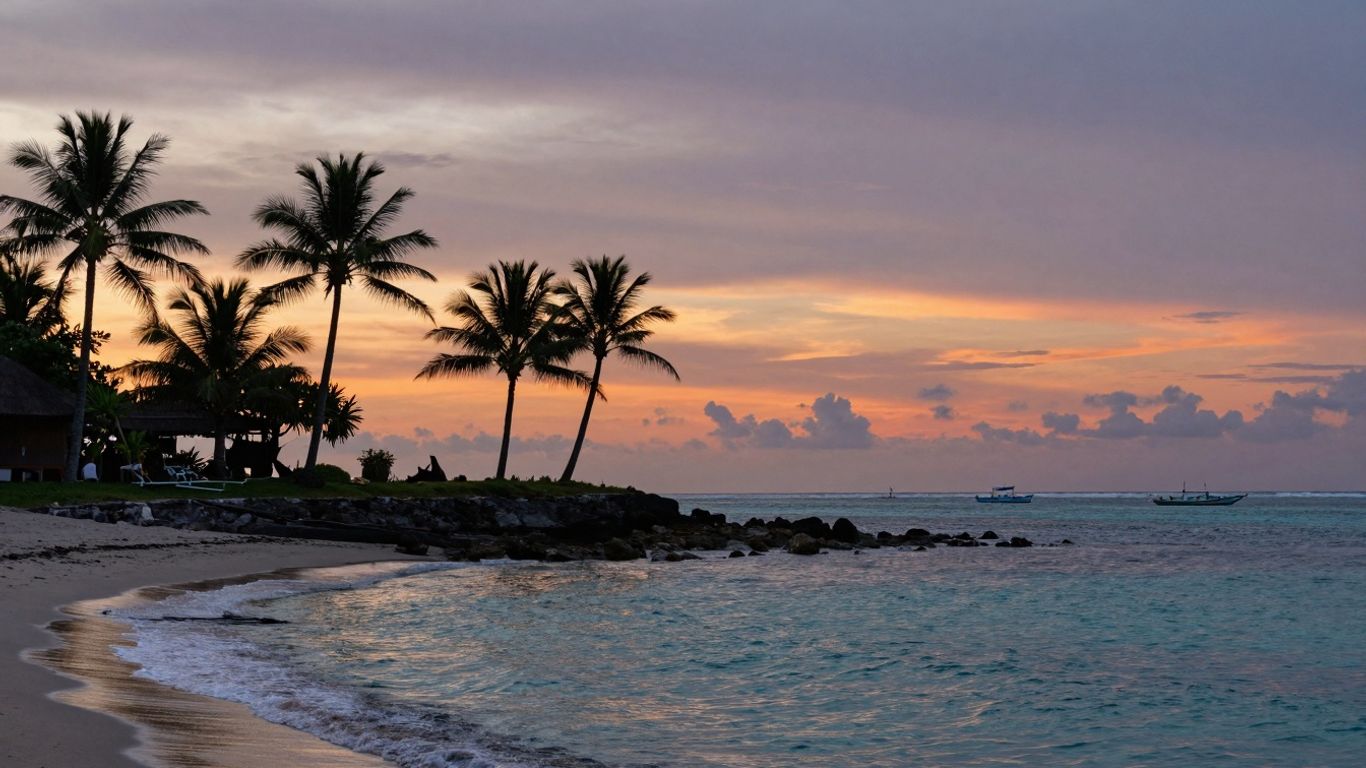
Bali is a beautiful island, and most visitors have a fantastic time without any issues. The local people are known for being friendly and welcoming. Still, like anywhere you travel, it’s smart to keep a few things in mind to make sure your trip is as smooth and worry-free as possible. Think of these as simple tips to help you relax and enjoy the island’s magic.
Stay Aware Of Your Surroundings
When you’re out and about, whether you’re exploring a busy market, chilling on the beach, or just walking down the street, it’s always a good idea to keep an eye on what’s happening around you. Bali’s popular spots can get crowded, and it’s easy to get caught up in the excitement. Just a little bit of awareness can go a long way in preventing minor problems.
- Keep your bags and personal items close, especially in busy places.
- Be mindful of who is around you, particularly in less populated areas.
- If you’re using your phone, try not to be completely engrossed in it while walking.
Trust Your Instincts
This is a big one. If a situation or a person gives you a weird feeling, don’t ignore it. Your gut feeling is usually right. Whether it’s someone being a bit too pushy with a sale, a deal that seems too good to be true, or just a general sense of unease, it’s okay to politely disengage and move on. Your comfort and safety come first.
Petty Theft Awareness
Unfortunately, like many popular tourist destinations around the world, Bali can sometimes see petty theft. This usually involves things like pickpocketing or snatching bags, and it tends to happen more in crowded areas. It’s not a widespread problem, but being aware helps you avoid becoming a target.
- Don’t flash expensive items like jewelry or large amounts of cash.
- Be extra careful in crowded markets, busy streets, and at night.
- If you’re at the beach, don’t leave your belongings unattended.
While Bali is generally safe, a little common sense goes a long way. Staying aware and trusting your instincts are your best tools for a trouble-free vacation.
Navigating Bali’s Transportation Safely
Getting around the Island of the Gods can be part of the fun, but it’s smart to know a few things to keep things smooth and safe.
Public Transport And Taxis
When you need to get from point A to point B, Bali has a few options. Taxis are everywhere, but not all are created equal. Look for companies like Blue Bird; they’re known for using meters, which means no awkward price haggling. If you’re just going a short distance, a motorbike taxi, or ‘ojek’, can be quick. Just make sure you agree on the fare before you hop on. Ride-sharing apps like Grab and Gojek are also super popular and often a good bet for fair prices and convenience. You can see the cost upfront, which is a big plus.
Renting Vehicles
Lots of people rent scooters or cars to explore at their own pace. It gives you a lot of freedom, that’s for sure. But, and this is a big ‘but’, Bali’s roads can be pretty wild, especially if you’re not used to them. If you’re not a confident rider or driver, maybe stick to taxis or drivers. If you do rent a scooter, always wear a helmet. Seriously, it’s non-negotiable. Also, make sure you have the right paperwork – an International Driving Permit is usually needed, and driving without one can land you in trouble with the police and might even void your travel insurance if something happens. Check the bike or car over before you take it; make sure the brakes work and the tires look okay.
Road Safety Essentials
Bali’s traffic can feel a bit chaotic. Lanes aren’t always followed strictly, and motorbikes often zip between cars. So, whether you’re walking, riding, or driving, you’ve got to keep your eyes open. Potholes can pop up unexpectedly, and people might make sudden stops. It’s a good idea to stick to well-lit roads if you’re walking, especially at night. If you’re in a car or taxi, always buckle up. It’s a simple step that makes a big difference.
Bali’s roads are an experience. Be patient, stay alert, and don’t assume traffic will behave like it does back home. Defensive driving or riding is the way to go here.
Protecting Your Valuables And Money
When you’re exploring Bali, keeping your cash and important stuff safe is pretty straightforward if you know a few tricks. It’s not about being paranoid, just smart.
Use Hotel Safes
Most accommodations in Bali, from fancy resorts to simple guesthouses, will have a safe in your room. Seriously, use it. Don’t leave your passport, extra cash, or that expensive watch just lying around. Lock it up when you head out for the day or even just to the beach. It’s way better than worrying about what might happen.
Be Smart With ATMs
Need some cash? Stick to ATMs that are inside banks or in well-lit, busy areas. Avoid those random ones tucked away in dark alleys, especially after sunset. Always cover the keypad when you type in your PIN – you never know who might be watching. It’s also a good idea to let your bank know you’ll be traveling before you go, just in case.
Money Changer Tactics
This is where some people get tripped up. While many money changers are honest, some try to pull a fast one. They might count money super quickly, use a calculator that’s not quite right, or offer a really good rate that changes at the last minute.
- Only use official money changers. Look for places with proper signs, often saying "PVA Berizin" (which means licensed).
- Avoid places with super high rates. If it sounds too good to be true, it probably is.
- Count your money carefully before you leave the counter. Don’t be shy about it.
If you’re not feeling confident, just use an ATM. It’s usually the simplest and safest bet.
Keeping your valuables secure means you can focus on enjoying Bali, not stressing about what you might lose. A little bit of caution goes a long way.
Health And Wellness On Your Bali Trip

Keeping yourself healthy is a big part of having a good time in Bali. The tropical climate and different food can sometimes throw you off if you’re not careful. It’s all about being a little prepared and making smart choices.
Preventing "Bali Belly"
This is probably the most common thing people worry about – traveler’s diarrhea. It’s usually caused by differences in food and water hygiene. The best way to avoid it is to stick to bottled water. Seriously, don’t drink tap water, and be cautious about ice in drinks unless you’re sure it’s made from purified water. When eating out, look for busy places where food turnover is high. Freshly cooked, hot meals are generally safer. If you’re trying street food, make sure it’s cooked right in front of you. Also, wash your hands often, or use hand sanitizer.
Mosquito Protection
Mosquitoes in Bali can carry diseases like Dengue Fever, and they’re most active during the day, especially around dawn and dusk. Your best defense is a good insect repellent, preferably one with DEET or Picaridin. Wearing long sleeves and pants, especially in the evenings, can also help. Many accommodations offer mosquito nets, which are a good idea to use.
Sun Safety
The sun here is no joke, even on cloudy days. Always slather on sunscreen with a high SPF, and reapply it often, especially after swimming. Wearing a hat and sunglasses is also smart. And, of course, drink plenty of water to stay hydrated. You can find lots of healthy options at Bali’s cafes if you need a refreshing drink.
Alcohol Awareness
While enjoying a drink is part of vacation for many, be aware of what you’re drinking. There have been rare but serious incidents involving locally produced spirits like ‘arak’ from unofficial sources. It’s safest to stick to commercially bottled and sealed alcoholic beverages from reputable shops, bars, and restaurants. Always drink responsibly.
Staying healthy means you can actually enjoy all the amazing things Bali has to offer without being sidelined by illness. A little bit of awareness goes a long way.
Beach And Water Activity Safety
Bali’s beaches are absolutely gorgeous, right? Think golden sands, turquoise waters, the whole deal. But, and it’s a big but, the ocean here can be a bit wild sometimes. It’s super important to know what you’re getting into before you jump in.
Beach Currents And Flags
So, you’ll see these flags on the beaches. They’re not just for decoration, they actually tell you if it’s safe to swim. Seriously, pay attention to them. Red flags mean ‘nope, don’t go in,’ usually because the currents are too strong or there’s some other danger. Yellow flags mean ‘be careful,’ and green means ‘all clear.’ It’s pretty straightforward, but people often ignore them and get into trouble.
- Always swim between the flags. This is where the lifeguards are watching, and it’s generally the safest spot.
- Never swim alone, especially if you’re not a strong swimmer or if you’re heading out far from shore.
- Watch out for rip currents. These are like underwater rivers pulling you away from the beach. If you get caught in one, don’t fight it. Swim parallel to the shore until you’re out of it, then swim back in.
The ocean’s power shouldn’t be underestimated. Even on a calm-looking day, hidden currents can pose a serious risk. Staying aware and respecting the ocean’s conditions is key to a fun and safe beach experience.
Water Sports Safety
Surfing, snorkeling, jet skiing – Bali has it all. If you’re planning on trying any of these, please, please use reputable places. You know, the ones that look professional, have proper gear, and actually seem to care about safety. Don’t just go with the cheapest option you find on the street.
- Check your gear. Make sure the surfboard isn’t cracked, the snorkel mask fits, and the jet ski looks well-maintained.
- Listen to the instructors. They know the local conditions and will tell you what to watch out for.
- Wear a life vest if you’re doing anything that involves being high up or on a fast-moving boat, like parasailing or jet skiing.
Boat Safety
If you’re taking a boat trip, whether it’s to Nusa Penida or just a sunset cruise, safety is still a thing. Make sure the boat looks seaworthy and that there are enough life jackets for everyone on board. It sounds obvious, but sometimes these boats can look a bit overloaded or a bit… rustic. Ask questions if you’re unsure. It’s better to be safe than sorry when you’re out on the water.
Respecting Sacred Sites And Local Customs
Bali is a place steeped in tradition and spirituality, and part of being a good visitor means showing respect for its deeply held customs and sacred places. It’s not just about seeing the sights; it’s about engaging with the culture thoughtfully.
Dress Modestly For Temples
When you visit Bali’s many temples, remember these are active places of worship, not just tourist spots. The general rule of thumb is to cover up. This means shoulders and knees should be covered for both men and women. Many temples provide sarongs and sashes to borrow at the entrance, which is handy, but it’s even better if you bring your own. You’ll usually need to remove your shoes before entering certain areas, so wear shoes that are easy to slip on and off.
Observe Local Customs
Beyond dress code, there are other ways to show respect. Keep your voice down when you’re in a temple or near people praying. Don’t step on or disturb the small, beautiful offerings called ‘Canang Sari’ that you’ll see placed around the island – they’re part of daily Hindu practice. Also, be mindful of any areas marked as restricted; these are often reserved for worshippers.
Wildlife Encounters
Bali is home to some amazing wildlife, but it’s important to interact responsibly. If you visit places like the Sacred Monkey Forest, keep a safe distance from the animals. Never feed or try to touch the monkeys, as this can lead to aggression and spread disease. The same goes for other animals you might encounter; observe them from afar and avoid any actions that could disturb them or cause them stress. This respect extends to marine life too – be careful not to touch coral when snorkeling or diving.
Emergency Preparedness For Tourists
Emergency Contact Numbers
It’s a good idea to have a few key numbers saved in your phone before you even leave your hotel. Things can happen, and knowing who to call makes a big difference. Here are some of the most important ones to jot down:
- Police: 110
- Ambulance: 118 or 119
- Search and Rescue (BASARNAS): 115
- General Emergency Number: 112
Having these readily accessible can save precious time if you find yourself in a difficult situation.
Medical Facilities
Bali has a number of good hospitals and clinics, especially in the more populated tourist areas. It’s smart to know which ones are closest to where you’re staying, just in case.
- BIMC Hospital: Locations in Kuta and Nusa Dua.
- Siloam Hospital: Also has a presence in Kuta.
- Sanglah General Hospital: A larger public hospital located in Denpasar.
It’s always wise to check with your accommodation about the nearest medical services. They can often point you in the right direction.
Local Embassies/Consulates
If you run into serious trouble, like losing your passport or dealing with legal issues, your country’s embassy or consulate can be a lifeline. Most embassies are in Jakarta, but some countries have consulates on Bali itself. Make sure you know the contact details and location of yours before you go.
Travel Insurance Is Crucial
Seriously, don’t skip this. Getting good travel insurance is one of the smartest things you can do before a trip. It covers you for unexpected medical bills, trip cancellations, and even emergency evacuations if you need to be moved to a better medical facility. Make sure you have your policy number and the insurance company’s contact information handy. It’s not just about the money; it’s about having support when you really need it.
Bali is generally a safe place, but like anywhere, unexpected things can occur. Being prepared with the right contacts and knowing where to go for help can turn a stressful event into a manageable one. It’s all about having a bit of foresight so you can relax and enjoy your trip without unnecessary worry.
Planning a trip? It’s smart to think about staying safe, especially when you’re exploring new places. Being ready for unexpected situations can make your vacation much more enjoyable and stress-free. Don’t let worries spoil your adventure. Visit our website today to learn simple steps you can take to protect yourself and your belongings while traveling.
Wrapping Up Your Bali Trip Safely
So, Bali. It’s a pretty amazing place, right? Millions of people visit every year and have a fantastic time, and you totally can too. The main thing is just to use your head, like you would anywhere else you travel. Keep an eye on your stuff, especially in busy spots, and don’t fall for any obvious scams. Drink bottled water, be careful on those scooters, and maybe skip the street-side arak. If you do all that, and remember to respect the local culture, you’ll be all set to just relax and soak up all the good vibes Bali has to offer. Don’t let worries about safety get in the way of enjoying this incredible island. Go have an awesome, safe trip!
Frequently Asked Questions
Is Bali generally a safe place for tourists?
Yes, Bali is mostly a safe and friendly place for travelers. Millions of people visit every year without any major problems. Just remember to use common sense, like you would anywhere you go, and you’ll likely have a fantastic time.
What should I watch out for regarding petty theft?
In busy spots like markets or crowded beaches, be aware of your belongings. Pickpockets might try to snatch phones or bags. It’s a good idea to keep your valuables secure and out of sight, and never leave your things unattended.
How can I avoid getting sick with ‘Bali Belly’?
To avoid an upset stomach, always drink bottled water and be careful with ice in drinks at less popular places. Stick to freshly cooked, hot food and wash your hands often. Ease into trying spicy foods and peel your own fruit.
Are there any dangers when swimming at Bali’s beaches?
Some beaches in Bali can have strong waves and currents, which can be dangerous. Always look for flags or signs that warn you about these conditions. It’s best to swim in areas where lifeguards are present and avoid swimming alone, especially at night.
What’s the safest way to get around Bali?
When taking taxis, use well-known companies like Blue Bird that use meters. If you rent a scooter, always wear a helmet and have an international driving permit. Be very careful on the roads, as traffic can be unpredictable.
Should I get travel insurance before my trip?
Absolutely! Travel insurance is a must for Bali. It can save you a lot of money and stress if you have a medical emergency, get into an accident (especially on a scooter), or if your belongings are stolen.