So, you’re thinking about making Bali your new home base? Awesome! It’s a pretty amazing place, but like anywhere, it’s good to know a few things to keep yourself safe and sound. This guide is all about helping you figure out the best ways to handle expat security in Bali, from your home to getting around, and even staying healthy. We’ll cover what you need to know so you can just focus on enjoying island life.
Key Takeaways
- When it comes to expat security in Bali, understanding the local safety scene, including crime and natural risks, is step one. Bali is generally safe, but knowing what to watch out for helps.
- Securing your living space is key. Think about where you live and take simple steps at home to keep things safe. Getting to know your neighbors can also be a big help.
- Getting around Bali safely means being smart about how you travel. Whether it’s a scooter, taxi, or driver, know the best practices for each.
- Your health matters a lot. Make sure you’re up-to-date on any needed shots, drink safe water, and know how to get good medical care if you need it.
- Bali’s expat community is a great resource. Connecting with others can give you local tips and a support system, which is a big part of feeling secure.
Understanding Bali’s Safety Landscape For Expats
Bali is a pretty amazing place, and lots of people decide to make it their home. But like anywhere, it’s good to know what you’re getting into safety-wise. It’s not all just beaches and temples, you know?
Assessing Crime Rates and Trends in Bali
Generally speaking, Bali is considered quite safe, especially when you compare it to big cities back home. Serious crime isn’t a huge issue for expats. The main things to watch out for are petty crimes, like pickpocketing or someone snatching your bag. This usually happens in busy tourist spots, so just keeping an eye on your belongings in places like Kuta or Seminyak is a good idea. It’s not something most people have problems with, but it’s good to be aware.
Natural Disasters and Environmental Hazards to Monitor
Bali sits on what’s called the Pacific Ring of Fire, which means earthquakes and volcanic activity can happen. While major events are rare, it’s wise to know what to do if something does occur. Also, keep an eye on the weather, especially during the rainy season, as heavy downpours can sometimes cause localized flooding or landslides in certain areas. Mosquitoes are also a thing here, and they can carry diseases like dengue fever, so using repellent, especially around dawn and dusk, is a smart move.
General Safety Perceptions for Residents
Most expats feel pretty safe living in Bali. The island has a generally relaxed vibe, and many residential areas, especially those popular with foreigners, have a good sense of community. People often look out for each other. However, it’s always a good idea to be sensible, just like you would anywhere else. Don’t leave valuables lying around, and be mindful of your surroundings, particularly if you’re out late.
While Bali is generally safe, being prepared and aware is key to a smooth experience. It’s about balancing the island’s relaxed charm with practical safety measures.
Here’s a quick rundown of common safety points:
- Petty Theft: Mostly in crowded tourist areas. Keep valuables secure.
- Traffic: Bali traffic can be chaotic. Drive defensively if you rent a scooter.
- Health: Dengue fever is present. Use mosquito repellent.
- Natural Events: Earthquakes and volcanic activity are possible but infrequent. Stay informed.
- Scams: Be aware of common tourist scams, especially in busy areas.
Securing Your Residence in Bali
When you’re settling into life in Bali, making sure your home feels like a safe haven is pretty high on the list. It’s not just about locking doors; it’s about being smart with where you choose to live and what you do day-to-day.
Choosing Secure Residential Areas and Enclaves
Bali has a mix of neighborhoods, and some definitely offer a bit more peace of mind. You’ll find areas that are more established with expats, and these often have a bit of a built-in community feel. Think about places like parts of Ubud, known for its calm, or some of the more developed areas in the south that have a good infrastructure. Gated communities are also a thing here, and while they might feel a bit more removed, they do add an extra layer of security. It’s worth doing a bit of research on specific villages or complexes before you commit to a rental. Chatting with other expats about their experiences in different areas can give you the real scoop.
Implementing Personal Security Measures at Home
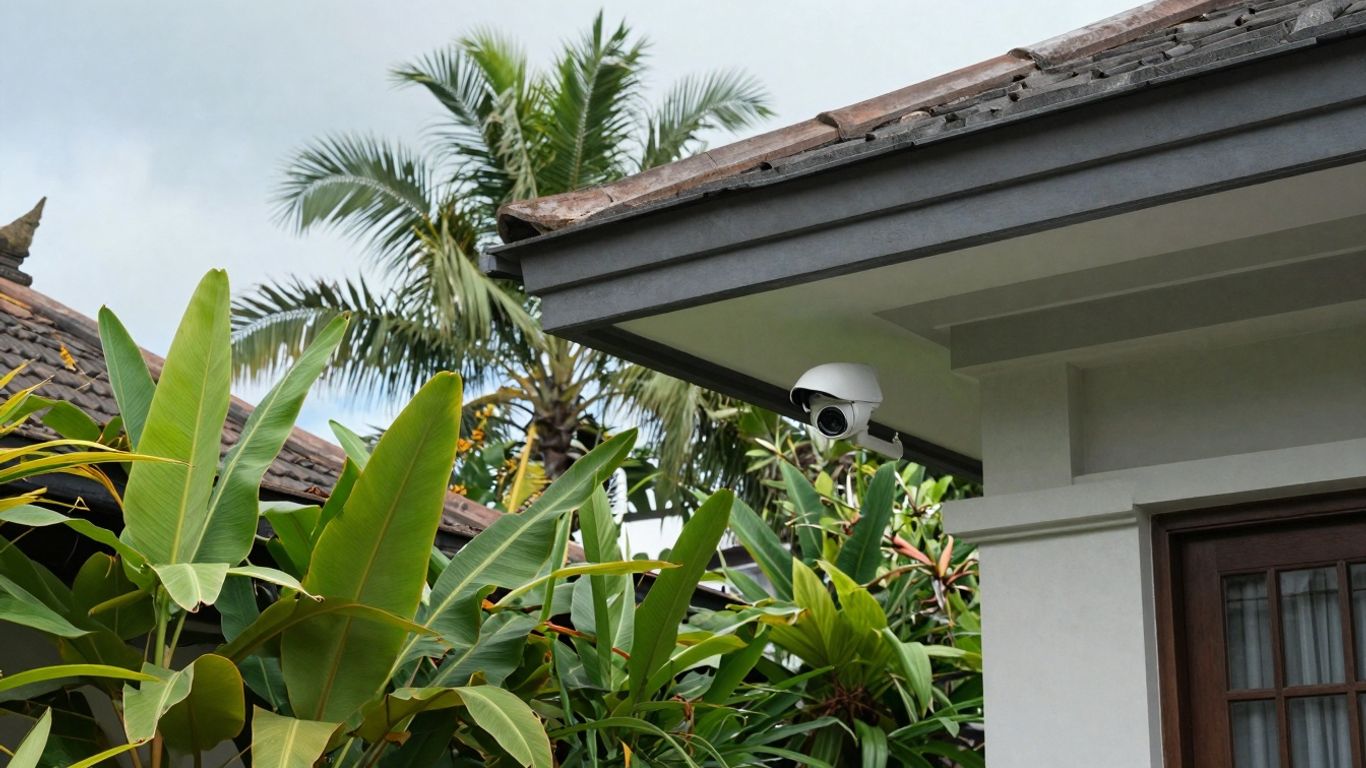
Once you’ve found your spot, there are simple things you can do to make your place more secure. It’s not about living in a fortress, but about common sense. Make sure all your doors and windows have good locks, and consider adding extra deadbolts if you feel it’s needed. If you’re renting, check the condition of the locks when you move in. Keeping your valuables out of sight is also a good idea – don’t leave expensive electronics or jewelry sitting out where they can be easily seen from a window. Some people also opt for security screens on windows and doors, especially on the ground floor. And honestly, just being aware of your surroundings when you come and go makes a difference.
Leveraging Community Watch Programs
Bali has a strong community spirit, and this extends to safety. Many neighborhoods, especially those with a higher expat population, have informal or formal community watch systems. These can be as simple as a WhatsApp group where people share information about anything unusual happening, or more organized patrols. Getting involved in these groups is a great way to meet your neighbors and stay informed. It creates a network where people look out for each other, which is incredibly reassuring. If your area doesn’t have one, consider starting a simple chat group with your immediate neighbors. It’s amazing what a little bit of communication can do for peace of mind.
Being aware of your surroundings and taking basic precautions can significantly improve your sense of security at home. It’s about building a comfortable and safe living space, not about constant worry.
Navigating Bali’s Transportation Safely
Getting around Bali can feel like a bit of a wild ride sometimes, especially if you’re used to more orderly streets. The traffic here, particularly in busy spots like Kuta or Seminyak, can be pretty intense. But don’t worry, with a few smart moves, you can make your journeys much smoother and safer.
Safe Practices for Scooter and Motorbike Rentals
Scooters are super popular here, and for good reason – they’re nimble and can get you through jams. But, if you’re not a confident rider back home, maybe rethink renting one on your first trip. It’s not just about having a license; it’s about handling the unpredictable flow of traffic. If you do decide to rent, always, always wear a helmet. Make sure you have your International Driving Permit (IDP) handy, as police checks can happen. It’s also a good idea to practice in a quiet area before hitting the main roads. Remember, the traffic here often feels like a free-for-all, so patience is key.
- Helmet is non-negotiable: Always wear one, no exceptions.
- IDP is a must: Carry your International Driving Permit.
- Practice makes perfect: Get comfortable in a quiet spot first.
- Watch for the unexpected: Balinese traffic has its own rhythm.
Utilizing Reputable Taxi and Ride-Sharing Services
When you’re not on two wheels, taxis and ride-sharing apps are your best bet. Blue Bird taxis are generally reliable and use meters, which is a big plus. Apps like Gojek and Grab are also incredibly popular and often more affordable. They offer fixed prices upfront, so there are no surprises. Just make sure you have the app downloaded and set up before you need it, and always confirm your destination with the driver before you set off. It’s a good way to get around without the stress of driving yourself.
Benefits of Hiring A Private Driver
If you’re planning on doing a lot of sightseeing or moving between different parts of the island, hiring a private driver for the day can be a really smart move. These drivers know the island like the back of their hand. They can take you to all the popular spots and even some hidden gems you might not find on your own. Plus, it takes all the stress out of driving. Just agree on the price for the day or for your planned route beforehand to avoid any confusion later on. It’s a comfortable and efficient way to explore.
Bali’s roads can be a bit of a maze, and while the scooter is king for many, it’s not for everyone. Using apps or hiring a driver offers a safer, less stressful way to see the island, especially if you’re new to the local driving style.
Prioritizing Health and Well-being

Taking care of yourself is a big deal when you’re living abroad, and Bali is no different. While the island has a lot to offer, it’s smart to be prepared when it comes to your health. This means getting the right shots before you even arrive, being careful about what you eat and drink, and knowing where to go if you need medical help.
Essential Vaccinations and Preventive Health Measures
Before you pack your bags, it’s a good idea to chat with your doctor about any vaccinations that might be recommended for Bali. Things like Hepatitis A and Typhoid are often on the list, just to be safe. It’s not just about shots, though. Keeping up with your regular health check-ups back home is also a good habit to maintain. Think of it as setting yourself up for success so you can enjoy your time on the island without any unexpected health hiccups. Staying on top of your general health makes everything else much easier.
Ensuring Food and Water Safety
This is a big one for many people. While Bali has amazing food, you need to be a bit mindful. Always opt for bottled or filtered water. Tap water isn’t usually recommended for drinking. When you’re eating out, look for busy places that seem clean. Street food can be delicious, but use your best judgment – if it looks like it’s been sitting out for a while, maybe skip it. Also, be aware of ‘arak’, a local spirit, as there have been occasional reports of issues with its production. Stick to reputable establishments and drink in moderation, especially in the heat.
Understanding Medical Facilities and Insurance Needs
Bali has a range of medical facilities, from small clinics to larger hospitals, especially in popular areas like Denpasar and Seminyak. For more serious issues, you might need to go to a hospital. It’s really important to have good travel or expat health insurance before you arrive. This can cover you for doctor visits, hospital stays, and even emergency evacuations if needed. Make sure you understand what your policy covers, including any deductibles or co-pays. Knowing this beforehand can save a lot of stress if you ever need to use it.
Being proactive about your health, from vaccinations to safe food and water practices, and having solid medical insurance, means you can focus more on enjoying the incredible experience of living in Bali and less on worrying about what might go wrong.
Building a Supportive Expat Community
Connecting Through Expat Groups and Forums
Moving to a new place like Bali can feel a bit overwhelming at first, right? It’s easy to feel a little lost in the shuffle, especially when you’re trying to figure out the day-to-day stuff. That’s where connecting with other expats really comes in handy. There are tons of online groups, especially on Facebook, where people share tips about everything from finding a good plumber to understanding local customs. Seriously, just searching for "Bali Expats" will bring up a bunch of active communities. These groups are goldmines for practical advice and just generally knowing you’re not the only one figuring things out.
The Role of Community in Enhancing Safety
Having a network of people who know the island can make a big difference when it comes to staying safe. When you’re part of a community, people tend to look out for each other. If something seems off, or if there’s a new scam going around, chances are someone in the expat network will hear about it and share it. It’s like having a bunch of extra eyes and ears on the ground. Plus, knowing who to call in a pinch, whether it’s for a medical emergency or just a flat tire, is way easier when you’ve got friends and acquaintances nearby.
Seeking Local Insights for Safety
While expat groups are great, don’t forget to connect with locals too. They have the deepest understanding of the island and its rhythms. Building relationships with Balinese people can give you a perspective you just can’t get from online forums. They can offer advice on everything from the best times to travel certain roads to understanding local traditions that might impact your day-to-day life. It’s about blending that expat support system with genuine local knowledge for a more complete picture of safety and living well in Bali.
Building connections isn’t just about making friends; it’s a practical step towards feeling more secure and informed. When you know people, and they know you, there’s a natural sense of mutual awareness that can help prevent issues before they arise. It’s about creating a web of support that extends beyond just social gatherings.
Here are a few ways to get involved:
- Join Online Forums: Search for Bali expat groups on platforms like Facebook. Look for groups specific to your interests or neighborhood.
- Attend Meetups: Many groups organize regular social gatherings, coffee mornings, or activity-based meetups. These are great for putting faces to names.
- Engage with Locals: Make an effort to learn a few Bahasa Indonesia phrases and be open to conversations with shopkeepers, drivers, and neighbors. Their insights are invaluable.
Essential Services for Expat Security in Bali

Accessing Emergency Services and Contact Information
When you’re living in a new place like Bali, knowing who to call when things go sideways is pretty important. It’s not just about knowing the numbers, but also understanding how the system works here. Having a list of key emergency contacts readily available can make a huge difference in a stressful situation.
Here’s a quick rundown of who to reach out to:
- Police (Polisi): For general law enforcement and immediate safety concerns.
- Ambulance/Medical Emergency: For urgent health crises.
- Fire Department (Pemadam Kebakaran): For fire-related emergencies.
- Local Embassy/Consulate: For assistance with legal issues, lost passports, or serious emergencies affecting your nationality.
It’s a good idea to save these numbers in your phone and maybe even have a printed copy somewhere visible at home. Don’t hesitate to call them if you feel you’re in danger or witnessing something serious. They’re there to help.
Finding Reliable Healthcare Providers
Bali has a growing number of medical facilities, from small local clinics to larger international hospitals. For expats, finding a provider you trust is key to peace of mind. Many expats opt for private hospitals or clinics that cater specifically to international patients, often meaning English-speaking staff and a more familiar standard of care.
Some well-regarded options include:
- BIMC Hospital: With multiple locations, they offer a range of services and are known for their international standards.
- International SOS Clinic: Provides comprehensive medical care and emergency evacuation services.
- Local Clinics (Puskesmas or private): While some may have limited English, they can be very effective for common ailments and are often more affordable.
Do some research beforehand and perhaps visit a clinic or two to get a feel for them. Understanding your health insurance coverage and what facilities it works with is also a big part of this. It’s better to know where you’re going before you actually need to go.
Immigration Consultants for Visa Compliance
Navigating Indonesia’s visa regulations can be a real headache, especially for long-term stays. These rules change, and getting them wrong can lead to serious problems. That’s where immigration consultants come in. They’re professionals who specialize in helping expats sort out their visas, work permits (KITAS), and other legal documentation required to live and work in Bali.
Using a consultant can save you a lot of time, stress, and potential mistakes. They know the ins and outs of the application processes, what documents are needed, and how to submit them correctly. It’s often worth the fee to avoid the frustration of dealing with bureaucratic hurdles on your own.
When dealing with immigration matters, always work with consultants who have a solid reputation and can provide clear, upfront pricing. Be wary of anyone who makes unrealistic promises or asks for excessive upfront payments without clear documentation. A good consultant will guide you through the process transparently.
When choosing a consultant, look for ones with good reviews from other expats and who are transparent about their fees and services. They can be an invaluable resource for ensuring you’re always compliant with Indonesian law.
Cultural Awareness and Personal Safety
Bali is a place where vibrant traditions meet modern life, and understanding the local culture is a big part of staying safe and having a good time. It’s not just about avoiding trouble; it’s about showing respect and making genuine connections.
Respecting Local Customs and Traditions
Balinese culture is deeply intertwined with spirituality and daily rituals. You’ll see small offerings, called ‘canang sari,’ placed everywhere, often on the ground. It’s important not to step on or disturb these; they’re meant for the spirits. When visiting temples, which are sacred spaces, remember to dress modestly. This usually means covering your shoulders and knees. Many temples provide sarongs and sashes, but it’s handy to have your own. Also, take off your shoes before going inside temple buildings. You might stumble upon ceremonies or processions, especially outside the main tourist spots. If you do, just keep a respectful distance and don’t get in the way. It’s a sign of respect to observe quietly.
Safety Tips for Exploring Cultural Sites
When you’re out and about exploring Bali’s beautiful temples and historical sites, a few simple things can make your visit smoother and safer. Always be aware of your surroundings, especially in crowded places where petty theft can happen. Keep your valuables secure, perhaps in a cross-body bag that’s hard to snatch. If you’re visiting a temple, remember the dress code – shoulders and knees covered is the general rule. You might also be asked to wear a sarong and sash, which are often available for rent or provided. It’s also good to know that women who are menstruating are traditionally asked not to enter temple grounds. When interacting with locals at these sites, a friendly smile and a few basic Indonesian phrases like ‘terima kasih’ (thank you) go a long way.
Navigating Social Interactions and Greetings
Balinese people are generally very warm and welcoming. A common greeting is a slight bow with your hands pressed together in front of your chest, a gesture called ‘sembah.’ It’s a polite way to acknowledge someone. When you’re interacting with locals, try to use your right hand for giving or receiving things, including money. The left hand is traditionally considered less clean. Also, avoid pointing with your feet or touching someone’s head, as it’s seen as the most sacred part of the body. Public displays of affection are generally kept low-key, especially outside of tourist hubs. Remember, being mindful of these social cues helps build positive interactions and contributes to a safer, more pleasant experience for everyone. It’s also worth noting that while Bali is quite relaxed, it’s still part of Indonesia, so understanding these norms is key to fitting in with the locals.
Being aware of local customs isn’t just about politeness; it’s a practical way to avoid misunderstandings and ensure your interactions are positive. It shows you value the culture you’re experiencing.
Here are some quick points to keep in mind:
- Greetings: A simple ‘sembah’ (hands together, slight bow) is appreciated.
- Giving/Receiving: Always use your right hand.
- Sacred Spaces: Dress modestly for temples and be mindful of offerings.
- Communication: A smile and basic phrases go a long way.
Understanding different cultures and staying safe are super important, especially when you’re traveling. Being aware of local customs helps you avoid trouble and makes your trip smoother. We can help you navigate new places safely. Visit our website to learn more about how we keep you secure.
Wrapping Up Your Bali Safety Guide
So, that’s a wrap on getting you prepped for Bali. It’s a pretty amazing place, and with a little common sense and knowing what to look out for, you can totally enjoy your time here, whether you’re just visiting or planning to stick around. Remember to stay aware, especially in busy spots, and don’t forget to look into things like health insurance and the right visa for your stay. The expat community is usually pretty helpful too, so don’t be afraid to connect with others. Mostly, just relax and soak in the good vibes, knowing you’ve got the basics covered.
Frequently Asked Questions
Is Bali generally a safe place to live for foreigners?
Yes, Bali is generally considered safe for expats. While petty theft like pickpocketing can happen, especially in busy tourist spots, serious crime is not very common. It’s always smart to be aware of your surroundings, just like you would anywhere else.
What are the main health risks I should know about in Bali?
The biggest health concern is mosquito-borne diseases like dengue fever. It’s important to use bug spray, especially at dawn and dusk. Also, always drink bottled or filtered water, and be careful with street food by choosing busy, clean-looking places.
What’s the best way to get around Bali safely?
Scooters are popular but can be risky if you’re not an experienced rider. Always wear a helmet and have the right license. For safer options, use reputable taxi companies like Blue Bird or ride-sharing apps like Grab and Gojek. Hiring a private driver is also a good choice for exploring different areas.
Do I need special vaccinations before going to Bali?
It’s a good idea to talk to your doctor or a travel clinic before your trip. They might suggest vaccines for things like Hepatitis A and Typhoid. Staying up-to-date on routine shots like Tetanus is also important.
How can I stay safe when visiting temples or cultural sites?
When visiting temples, dress respectfully by covering your shoulders and knees. You’ll usually need to remove your shoes before going inside. Always be mindful of your behavior, as these are sacred places for the local community.
What should I do if I need emergency help in Bali?
Make sure you know the local emergency numbers, like 112 for general emergencies. Your hotel or accommodation can also help you contact the right people. Having travel insurance that covers emergencies is also very important.