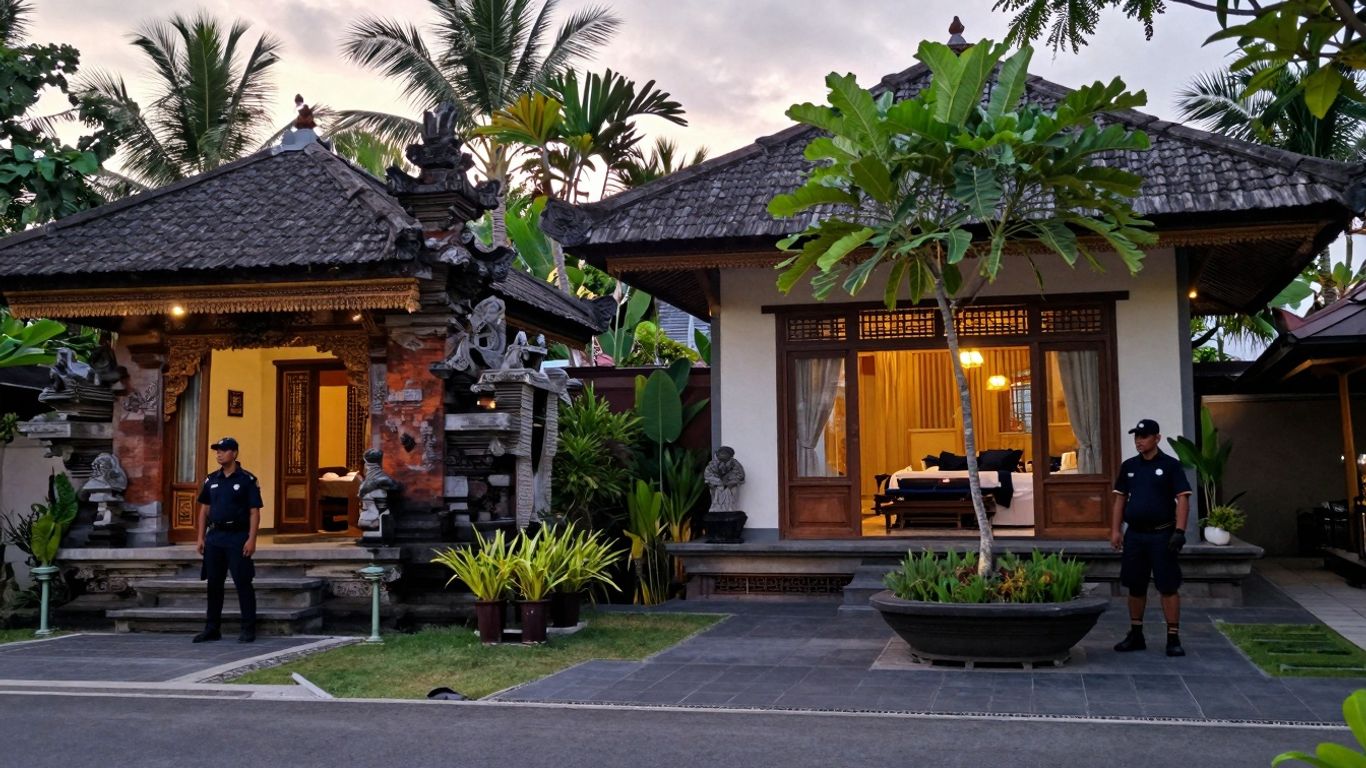
Planning a trip to Bali is exciting, and thinking about how to stay safe and keep your belongings secure is part of that. You want to enjoy the island’s beauty without worrying about petty theft or digital risks. This guide focuses on discreet protection Bali style, so you can relax and soak it all in.
Key Takeaways
- Keep valuables hidden in a neck wallet to avoid drawing attention from pickpockets, especially in busy areas.
- Use luggage straps and TSA-approved locks to secure your bags during travel and deter opportunistic theft.
- Protect your electronics from water damage with waterproof cases, useful for beach activities and water sports.
- Stay safe online by using a VPN in Indonesia to protect your data on public Wi-Fi and bypass internet restrictions.
- Be aware of your surroundings, avoid displaying expensive items, and stick to official transport options for personal safety.
Securing Your Valuables in Bali
When you’re in Bali, keeping your stuff safe is pretty important. You don’t want to be worrying about your phone or your cash when you’re supposed to be relaxing, right? So, let’s talk about a few ways to keep your valuables out of sight and out of mind for any would-be opportunists.
The Importance of Neck Wallets for Petty Theft Prevention
Petty theft, like pickpocketing, can happen anywhere, especially in busy spots. Think crowded markets or popular tourist areas. A neck wallet is a simple but effective tool. You can wear it under your shirt, keeping your money, cards, and passport close to your body. This makes you a much less obvious target. It’s not about looking suspicious; it’s about making it harder for someone to snatch something quickly. Plus, it means you don’t have to keep digging through a bag, which can also draw attention.
Using Luggage Straps and Locks for Enhanced Security
When you’re traveling between places or just want that extra bit of security for your bags, luggage straps and locks are your friends. Straps can help keep your zippers shut tight, making it a bit more work for anyone trying to get into your suitcase quickly. Think of it as a first line of defense. Then, add TSA-approved locks. While they won’t stop a determined thief with tools, they are great for deterring casual snooping or accidental opening during transit. It’s about making your luggage less appealing to rummage through.
Protecting Electronics with Waterproof Cases
Bali is beautiful, and you’ll likely want to capture those moments. Whether you’re near the ocean, a waterfall, or just caught in a sudden tropical shower, water can be a real threat to your electronics. A waterproof case for your phone or camera is a smart move. It doesn’t just protect against water; it can also help with dust and sand. Many of these cases even let you use your phone’s touchscreen or take photos underwater, so you don’t miss out on capturing those unique experiences. It’s a small investment for peace of mind when you’re out exploring.
Digital Safety and Connectivity in Bali
Staying connected in Bali is pretty straightforward these days, but keeping your online life secure is a whole other story. You don’t want your vacation photos or banking details falling into the wrong hands, right? It’s not just about having internet access; it’s about having safe internet access.
Understanding the Need for a VPN in Indonesia
Think of a VPN, or Virtual Private Network, as a private tunnel for your internet traffic. When you connect to the internet in Bali, especially on public Wi-Fi at cafes or hotels, your data can be exposed. A VPN encrypts this data, making it unreadable to anyone trying to snoop. This is super important for protecting your personal information and financial transactions. It’s a small step that makes a big difference in keeping your digital footprint private while you’re exploring.
Leveraging eSIM for Reliable Data Access
Forget the hassle of hunting down a local SIM card when you land. eSIM technology is a game-changer for travelers. It’s an embedded SIM that you can activate digitally, usually by scanning a QR code. This means you can get data service almost instantly, without needing to find a shop or wait in line. It’s perfect for when you need to look up directions, share your adventures on social media, or stay in touch with folks back home. You can pick a data plan that fits your needs, avoiding those hefty roaming charges that can sneak up on you.
The Role of Local SIM Cards for Connectivity
While eSIM is gaining popularity, local SIM cards are still a solid option for staying connected in Bali. They can sometimes be more budget-friendly, especially if you plan on making a lot of calls or sending texts. You’ll need to make sure your phone is unlocked to use a foreign SIM. Once you get one, you’ll have a local number, which can be handy for making reservations or dealing with local services. Just remember, even with a local SIM, using a VPN is still a good idea for general online security.
Here’s a quick rundown of why these digital tools matter:
- Security: Protects your data from hackers on public networks.
- Convenience: Get connected quickly without physical SIM card swaps.
- Cost Savings: Avoid expensive international roaming fees.
- Reliability: Enjoy consistent data access for navigation and communication.
When you’re out and about, especially in busy tourist spots, it’s always a good idea to have your identification handy. Indonesian officials sometimes check IDs, and having your passport or permit readily available can save you a lot of hassle. It’s just one of those practical things to keep in mind for a smooth trip.
Getting these digital tools sorted before or shortly after you arrive will make your Bali experience much smoother. You’ll be able to share those stunning sunset photos and find the best local warungs without worrying about your online safety.
Personal Safety Measures for Bali Travelers
Essential Personal Safety Devices and Self-Defense Basics
When you’re exploring Bali, it’s smart to have a few things on hand to help you feel more secure. Think about carrying a personal alarm. These little gadgets are loud and can really startle someone if they try to bother you, giving you a chance to get away. It’s not about fighting, it’s about creating a distraction and drawing attention. Also, knowing a few basic self-defense moves can boost your confidence. You don’t need to be a martial arts expert; just understanding how to create space or break a grip can make a difference. The goal is to deter and escape, not to engage.
Situational Awareness and De-escalation Techniques
Being aware of what’s going on around you is probably the most important tool you have. This means paying attention to who’s around, especially in busy spots like markets or crowded beaches. If someone seems overly friendly or is trying to get too close, it’s a sign to be cautious. Learning to say "no" firmly and clearly, and walking away with confidence, can often end an uncomfortable situation before it gets worse. Sometimes, just making eye contact and showing you’re aware is enough to make someone back off. It’s about projecting a calm but firm presence.
Staying alert doesn’t mean being paranoid; it means being present and observant. Notice your surroundings, trust your gut feelings, and don’t be afraid to remove yourself from any situation that feels off. Your intuition is a powerful safety tool.
Smart Navigation During Nighttime and Socializing
When the sun goes down in Bali, things can change a bit. Stick to well-lit areas and main roads when you’re out and about, especially if you’re walking. If you’re heading to a bar or restaurant, let someone know where you’re going and when you expect to be back. When you’re socializing, keep an eye on your drink and don’t accept drinks from strangers. It’s easy to get caught up in the fun, but a little bit of planning goes a long way. Using ride-sharing apps or reputable taxi services is also a good idea for getting around after dark. Always confirm the driver and vehicle details before you get in.
Pre-Trip Preparations for a Secure Bali Experience
Getting ready for a trip to Bali is more than just packing your bags. A little bit of planning beforehand can make a world of difference in how safe and smooth your vacation goes. It’s about being smart and prepared, so you can focus on enjoying the island’s beauty.
The Non-Negotiable Need for Travel Insurance
Seriously, don’t even think about skipping this. Travel insurance isn’t just a nice-to-have; it’s a must-have. Your regular health insurance from home won’t cover you if something happens in Indonesia. Imagine getting sick or having an accident and facing massive hospital bills – it’s a financial nightmare you want to avoid. Good insurance covers things like medical emergencies, trip cancellations, lost luggage, and even flight delays. It gives you peace of mind, knowing that if the unexpected happens, you’re covered.
Researching Local Laws and Political Climate
It’s always a good idea to know what you’re getting into before you land. Bali is part of Indonesia, and while it’s a popular tourist spot, it has its own set of rules. Understanding local laws, especially regarding things like alcohol consumption or public behavior, can help you avoid trouble. Also, keeping an eye on the general political situation, even if it seems calm, is wise. Knowing what’s going on helps you stay out of any potential issues and shows respect for the local culture.
Establishing Emergency Contacts and Hidden Funds
Before you leave, make sure someone back home knows your itinerary and has your contact details. Share your flight information, where you’re staying, and how to reach you. It’s also smart to set up a system for emergency funds. This could be a separate bank account, a prepaid travel card, or even a small amount of emergency cash hidden in a different spot than your main wallet. Having a backup plan for money means you won’t be stuck if your primary cards are lost or stolen.
- Inform a trusted friend or family member of your travel plans, including flight details and accommodation.
- Create a list of important contacts in Bali, such as your hotel, local emergency services, and your travel insurance provider.
- Set up a way to access emergency money that is separate from your everyday spending funds.
Being prepared before you even step on the plane is key to a worry-free trip. It’s about taking simple steps that protect you from common travel hiccups and more serious issues. Think of it as your personal safety net, allowing you to relax and soak in the Bali experience without constant worry.
What to Avoid for Discreet Protection in Bali

When you’re in Bali, blending in is often your best defense. Standing out can make you a target, so it’s smart to leave certain things at home and be mindful of your habits. Think less ‘look at me’ and more ‘just another traveler enjoying the island.’
Avoiding Expensive Jewelry and Flashy Items
Seriously, leave the bling at home. That diamond necklace or those designer watches? They scream ‘tourist with money’ to anyone looking for an easy score. Bali is beautiful enough on its own; you don’t need to accessorize with items that could cause you trouble. Stick to simple, everyday jewelry if you must wear something, or better yet, save it for when you get back. It’s not worth the stress or the risk of losing something irreplaceable.
Minimizing Cash Holdings and Relying on ATMs
Carrying large amounts of cash is just asking for trouble. Petty theft can happen, especially in busy areas or if you’re out having a good time and let your guard down. Instead, plan to use ATMs when you need money. There are plenty of them around, and they’re generally safe. Just be discreet when you use them, and try not to flash a wad of bills afterward. It’s a good idea to have a small amount of local currency for immediate needs, but the bulk of your funds should be accessible via card. You can find ATMs in most tourist hubs and larger towns across the island.
Understanding and Adhering to Local Drug Laws
This one is non-negotiable and incredibly serious. Indonesia, and Bali is no exception, has extremely strict drug laws. We’re talking severe penalties, including lengthy prison sentences and, in the most extreme cases, the death penalty. It doesn’t matter if it’s a tiny amount for personal use; the consequences can be life-altering. Ignorance is not an excuse, and the risks are simply not worth it. Always be aware of what you’re consuming and what’s around you. If you’re unsure about something, it’s best to steer clear entirely. Staying informed about local laws is part of being a responsible traveler.
Here’s a quick rundown of what to keep in mind:
- Jewelry: Leave expensive pieces at home. Opt for simple, inexpensive accessories if any.
- Cash: Carry only what you need for a day or two. Use ATMs for larger withdrawals.
- Drugs: Absolutely avoid any involvement. Penalties are severe.
Being discreet isn’t just about hiding your valuables; it’s about presenting yourself in a way that doesn’t attract unwanted attention. This means dressing appropriately for the situation, being aware of your surroundings, and respecting local customs and laws. A low-profile approach helps ensure a smoother and safer trip.
When visiting Bali, it’s smart to know what to skip to keep your protection low-key. You don’t want to draw unwanted attention. Think about blending in and staying safe without making a big show. For peace of mind, check out our tips on how to travel securely. Visit our website to learn more about discreet protection options.
Stay Safe, Enjoy Bali
So, while Bali is an amazing place, it’s smart to think ahead about keeping yourself and your stuff safe. Using things like a neck wallet for your cash and passport, or a waterproof case for your phone when you’re near the water, can really make a difference. Don’t forget about online safety either; a VPN is a good idea for public Wi-Fi. By taking these simple, low-key steps, you can focus more on soaking up the island’s beauty and less on worrying about potential problems. Have a fantastic trip!
Frequently Asked Questions
What’s the best way to keep my money and important papers safe from pickpockets in Bali?
To keep your valuables hidden from sneaky thieves, it’s a really good idea to use a neck wallet. You can wear it under your shirt to store cash, cards, and your passport. This way, you look less like a tourist, which makes you a less likely target for petty theft in busy places.
How can I protect my phone and other electronics from water in Bali?
Since Bali is full of water activities like swimming and visiting waterfalls, it’s smart to use a waterproof phone case. This will keep your phone dry and safe from splashes, sand, and scratches, and some even let you take cool underwater pictures!
Why do I need a VPN in Indonesia, and how does it help?
Indonesia has a lot of cyberattacks, and some websites are blocked. A VPN (Virtual Private Network) acts like a secret tunnel for your internet connection. It keeps your personal information, like passwords and bank details, safe when you use Wi-Fi, and it helps you get around internet blocks so you can visit any website you want.
What’s the deal with local SIM cards or eSIMs in Bali?
It’s best to get a local SIM card or an eSIM when you arrive. This gives you reliable internet access for maps, calling for help, or staying in touch without paying high roaming fees. It’s way better than just relying on Wi-Fi, which can be slow or unavailable.
What should I do if I feel unsafe or need to get attention in an emergency?
Carrying a small personal safety alarm can be very helpful. These devices make a super loud noise when you set them off, which can scare off someone trying to harm you and get the attention of people nearby. Knowing basic self-defense moves and how to stay aware of your surroundings is also important.
Should I bring a lot of cash or expensive items to Bali?
It’s not a good idea to bring lots of cash or wear flashy jewelry. This can make you a target for thieves. There are plenty of ATMs and places to exchange money, so you only need a small amount of cash for daily expenses. Leave your expensive stuff at home to stay safe and low-key.