
Planning a wedding in Bali is exciting, but it also means dealing with a different set of rules and expectations. You want your special day to go off without a hitch, right? From picking the perfect spot to making sure your guests are happy and comfortable, there’s a lot to think about. This guide will help you sort through the details, especially wedding security Bali, so you can relax and enjoy your celebration.
Key Takeaways
- When picking your Bali venue, think about its size and how many people it can comfortably hold. Also, remember that many places require you to use a wedding planner to handle local rules and vendors.
- Make sure your chosen spot has great sunset views and plenty of shade. Also, think about how guests will get around and where they’ll stay, as Bali can be quite spread out.
- Understand Bali’s local rules, like fees for using private villas, and be clear on vendor contracts, especially regarding overtime. Having a plan for bad weather is also smart.
- Arrange transportation for your guests, whether it’s private cars, shuttles, or airport transfers. This makes things much smoother, especially since travel times on the island can be long.
- Familiarize yourself with the legal steps for getting married in Bali, like obtaining a Certificate of No Impediment, and consider how long you’ll need to stay.
Securing Your Ideal Bali Wedding Venue
Picking the right spot for your Bali wedding is a huge step, and honestly, it’s where the magic really starts to take shape. It’s not just about finding a pretty backdrop; it’s about finding a place that fits your vibe, your guest list, and your budget. Bali offers so many different settings, from dramatic cliffside spots overlooking the ocean to lush jungle retreats and chic beachfront villas. You really need to think about what kind of atmosphere you’re going for.
Prioritizing Date or Venue Selection
So, the big question: do you lock in your date first, or scout for the venue? If you have a super specific date in mind, like an anniversary, you’ll need to be flexible with venue options, as the popular ones book up fast. On the flip side, if you’re more open with your dates, we’d suggest picking your venue first. This way, you can secure that dream location and then work backward to find the perfect date. It saves a lot of hassle down the line, trust me. It’s usually best to book a venue about 12 to 18 months in advance, especially for popular spots.
Assessing Venue Capacity and Comfort
Once you’ve got a few venues in mind, it’s time to get real about numbers. What’s the maximum number of people the venue can hold? More importantly, what’s the comfortable capacity? You don’t want your guests crammed in like sardines, especially during dinner or dancing. Think about how much space you’ll need for seating, a dance floor, and any other activities. A venue that’s too big can feel a bit empty, while one that’s too small will just feel awkward.
Here’s a quick way to think about it:
- Maximum Guest Count: The absolute limit the venue allows.
- Comfortable Guest Count: The number of people who can move around and enjoy themselves without feeling crowded.
- Seating & Dining Space: Enough room for everyone to eat and relax.
- Dance Floor Area: Space for your guests to let loose.
Understanding Venue Requirements and Planner Necessity
Many villas and wedding venues in Bali actually require you to hire a professional wedding planner. Don’t see this as just an extra cost; it’s often a rule to protect their property and make sure everything runs smoothly. Planners know the local scene, handle vendor coordination, and deal with things like the ‘Banjar’ fee (a local community fee). Think of it as the venue’s way of saying they want your day to be perfect and hassle-free for you. They’re basically guaranteeing that all the complex bits are managed by someone who knows what they’re doing.
It’s wise to clarify what’s included in your venue rental. Some places offer just the space, while others come with tables, chairs, basic sound systems, and even lighting. Knowing this upfront can save you a lot of money and stress when budgeting for external rentals.
Ensuring Guest Comfort and Experience
Making sure your guests feel good and have a great time is just as important as the vows themselves. Bali is beautiful, but it’s also warm and can be quite sunny, so thinking ahead about comfort makes a big difference.
Maximizing Sunset Views and Photo Opportunities
Bali is famous for its sunsets, and you’ll want to make sure your guests can enjoy them without any hassle. When picking your ceremony and reception spots, check exactly where the sun will be setting on your wedding day. You don’t want anyone squinting directly into the sun during important moments, and you definitely want that golden hour light for your photos. Think about the backdrop – is it going to be a stunning ocean view, or maybe some lush rice paddies? Also, look around the venue for other cool spots for pictures, like interesting doorways or pathways. These little details can add a lot to your wedding album.
Providing Adequate Sun Protection and Cooling
It’s tropical here, so sun protection is a must. Does the venue have natural shade from trees, or will you need to arrange for umbrellas or decorative canopies? For keeping everyone cool, especially during the ceremony or outdoor reception, consider options like misting fans. If your reception is indoors, make sure there’s good air conditioning. It’s also a good idea to check the bathroom facilities – are they clean and well-maintained? And don’t forget about the little critters; ask the venue what they do to manage mosquitoes and other insects. A comfortable guest is a happy guest!
Addressing Accommodation and Transportation Logistics
Getting your guests settled and around is key. While your venue might have some rooms, it’s smart to see what other hotels or villas are nearby to fit different budgets. Some places might have minimum stay rules, so be aware of that. Also, Bali’s transport situation can be a bit tricky. Ride-sharing apps like Grab and Gojek aren’t allowed in all areas due to local taxi agreements. If your venue is in one of these spots, you’ll absolutely need to arrange shuttle buses or private cars for your guests. It’s best to figure this out early so you can budget for it and let your guests know what to expect.
Planning a wedding in a destination like Bali means thinking about more than just the ceremony itself. It’s about the whole experience for your guests, from the moment they arrive until they depart. Considering the climate, local transport quirks, and nearby lodging options shows you care about their comfort and enjoyment, which ultimately makes your wedding day even more special for everyone involved.
Navigating Bali Wedding Logistics
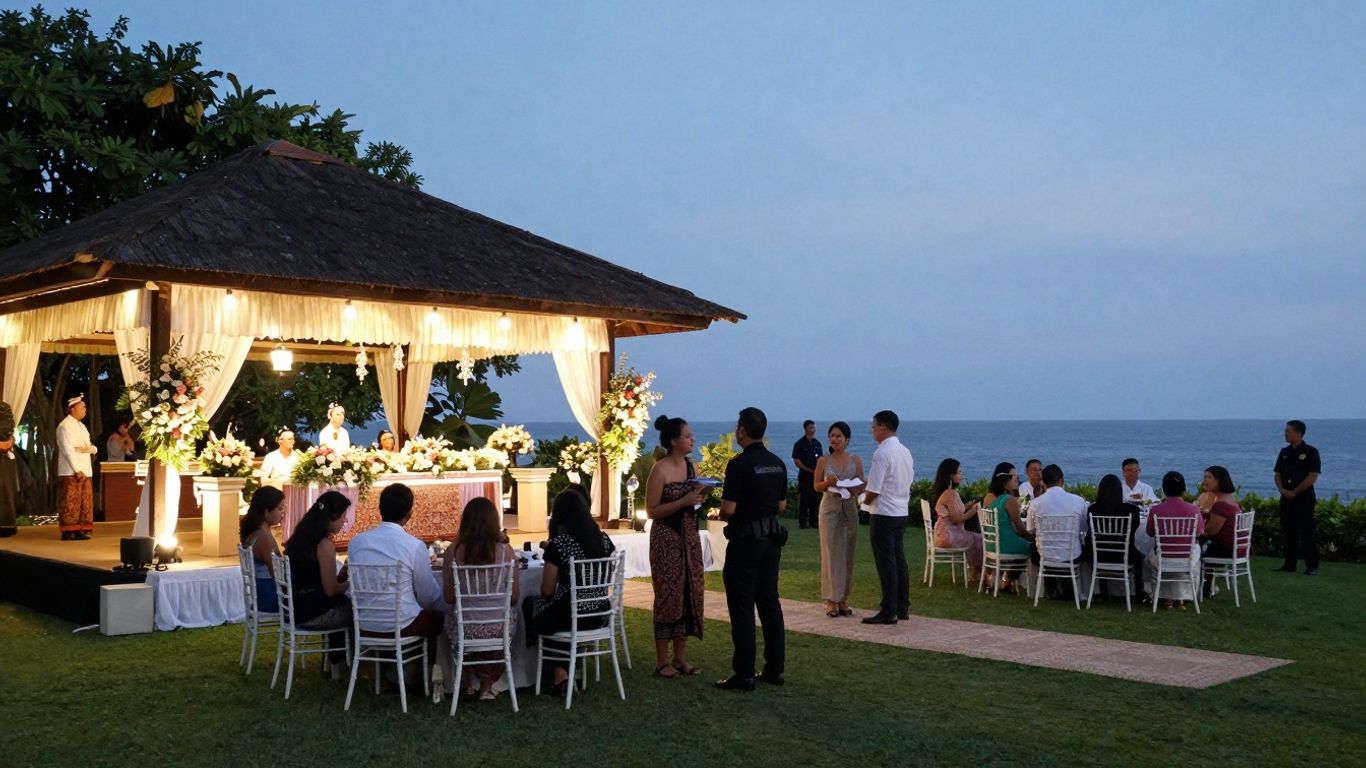
Planning a wedding on an island paradise like Bali involves more than just picking a pretty spot. There are local rules, fees, and practicalities that can trip you up if you’re not prepared. Understanding these details upfront will save you a lot of stress and potential headaches down the line. It’s all about being informed so you can focus on the fun parts of your celebration.
Understanding Local Regulations and Fees
Bali has its own set of rules and charges that apply to events, especially weddings. For private villa weddings, you’ll likely need to pay a "Banjar fee." This is a community fee, usually between $200 and $400, that goes to the local village for things like security and access. It’s not always advertised, so it’s good to ask your venue or planner about it. Also, be aware that most prices quoted by venues and vendors don’t include tax and service charges. These typically add up to an extra 21% (10% tax and 11% service), so always clarify if rates are inclusive or exclusive of "++". This can significantly impact your budget if you’re not expecting it.
Managing Vendor Contracts and Overtime
When you’re booking vendors for your Bali wedding, read those contracts carefully. Pay close attention to the hours of service included. If your party runs longer than planned – and let’s be honest, they often do! – you’ll likely incur overtime charges. These can add up quickly, often costing $100 or more per hour, plus any additional fees for the vendors themselves. It’s wise to discuss potential overtime scenarios with your vendors when you first book them. This way, you have a clear understanding of the costs involved and can budget accordingly. Having a good wedding planner can really help here, as they’re experienced in negotiating these terms and managing vendor timelines. They can also help you plan your wedding from abroad with confidence.
Planning for Weather Contingencies
Bali is a tropical island, and while the weather is often beautiful, it can be unpredictable. Rain showers, especially during the wet season (roughly October to April), can happen. Most venues will have a backup plan, but it’s important to discuss this with them. Will it be an indoor space? A covered pavilion? Make sure you’re comfortable with the alternative arrangements. Also, consider the heat. Even if it’s not raining, high temperatures can be draining for guests. Think about providing plenty of water, shaded areas, and perhaps even misting fans to keep everyone comfortable. A good wedding planner will have already thought through these scenarios and have solutions ready to go.
Essential Wedding Transportation in Bali
Getting around Bali for your wedding can feel like a puzzle, especially with the island’s size and sometimes unpredictable traffic. But don’t worry, with a little planning, you and your guests can move around smoothly. The key is to book transportation in advance, especially for larger groups or specific needs.
Arranging Private Cars and Drivers
For the wedding couple, having a private car and driver is almost a must. It’s not just for the wedding day itself; think about all those pre-wedding meetings, dress fittings, and maybe even a bit of sightseeing. Many couples opt for a package that includes a decorated car for the ceremony and reception, adding a special touch to your arrival. These services often come with experienced drivers who know the island well, which can save a lot of time and stress. You can find premium wedding car rental services that offer everything from classic cars to luxury vehicles, ensuring your journey is as memorable as the destination. For a day of dedicated service, expect to budget around $40-$70 USD.
Coordinating Guest Shuttles
If your venue is a bit off the beaten path, or if you’re hosting guests from various hotels, arranging shuttles is a smart move. This makes it easy for everyone to get to and from the ceremony and reception without the hassle of figuring out directions or parking. The cost can vary quite a bit, depending on the size of the bus and how far it needs to travel, but generally, you’re looking at something in the range of $150 to $300 per shuttle. Your wedding planner can be a huge help here, coordinating routes and timings so everyone arrives on schedule.
Considering Airport Transfers and Ride-Sharing Options
For guests flying into Bali, pre-arranged airport transfers can make their arrival much more welcoming. This means someone is waiting for them, ready to whisk them away to their accommodation. It’s a nice touch that shows you’ve thought of their comfort from the moment they land. Once they’re settled, ride-sharing apps like Grab and Gojek are quite popular and affordable for getting around tourist areas. Metered taxis, like Blue Bird, are also a reliable option. For the more adventurous, scooter rentals are available, but remember to check licensing and always wear a helmet! It’s wise to have a mix of options available for your guests, catering to different budgets and preferences.
Bali is larger than many people realize, and travel times between different areas can easily be an hour or two, even with good traffic. Always factor this into your schedule when planning any journeys, whether it’s for the wedding party or your guests moving between their hotels and the venue.
Legal Requirements for Marriage in Bali
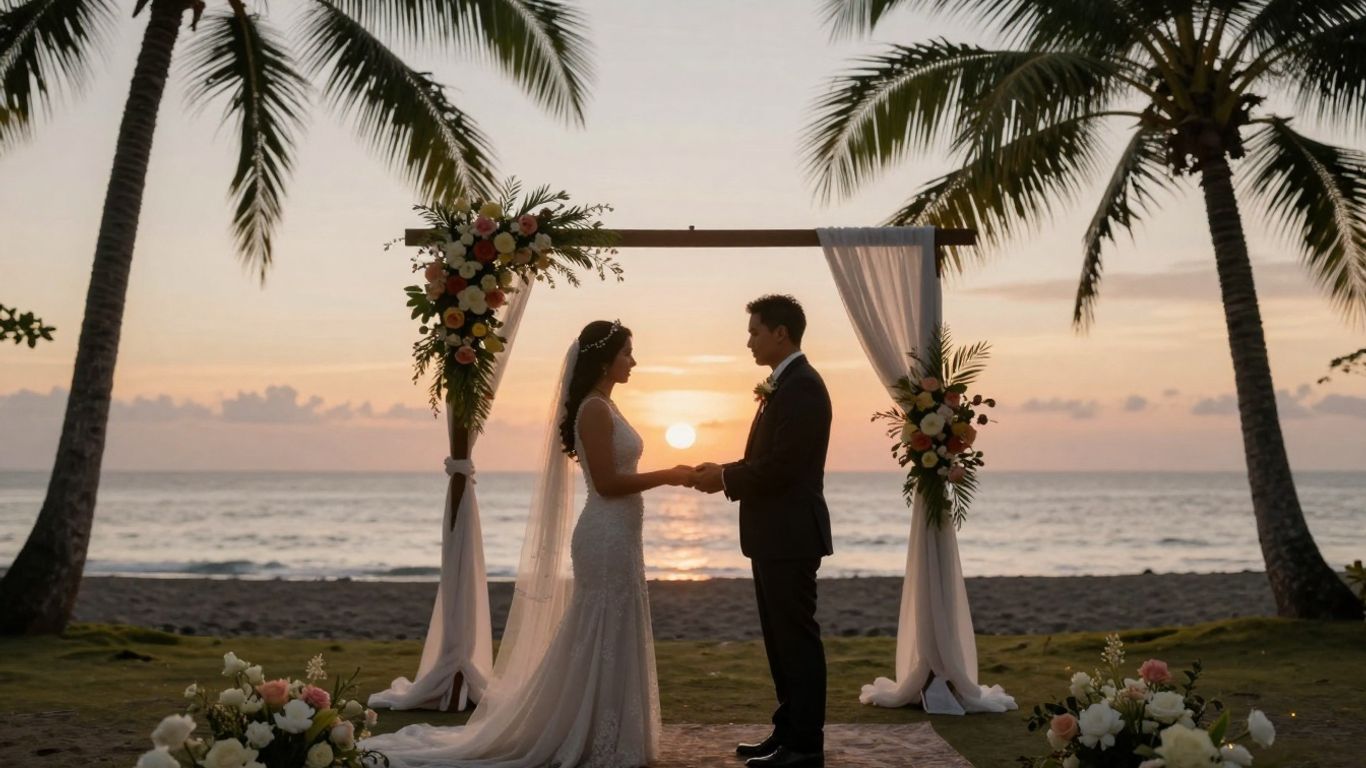
Getting legally married in Bali involves a few steps, and it’s good to know what you’re getting into before you arrive. It’s not super complicated, but there are definitely things to sort out.
Obtaining the Certificate of No Impediment
This is a big one. You’ll need a Certificate of No Impediment, or CNI, from your home country’s embassy here in Indonesia. Think of it as official proof that you’re both free to get married. You usually have to go in person to get it, and it’s a good idea to get this sorted relatively early in your planning. The Australian Consulate in Denpasar, for example, can help Aussies with this, and it often takes just one day to get. It’s a small fee, but totally worth it for peace of mind.
Understanding Religious Considerations
Indonesian law has a specific requirement: both partners need to share one of the five officially recognized religions in Indonesia. These are Islam, Hinduism, Buddhism, Catholicism, and Protestantism. If you’re from different religious backgrounds, one of you will need to officially convert for the marriage to be legally recognized here. This is a pretty significant detail, so make sure you’re aware of it and have a plan if it applies to you. Many couples find it easier to handle the legal marriage in their home country and then have a symbolic ceremony in Bali, which bypasses this particular requirement.
Planning for Extended Stays and Visas
Getting legally married in Bali often means you’ll need to stay longer than a typical tourist visit. While many nationalities can enter visa-free for up to 30 days, or get a Visa on Arrival (VoA) for a similar period (extendable once), this might not be enough time for all the legal paperwork and ceremonies. You might need to look into a Tourist eVisa or a pre-arranged visa if you plan on staying longer to complete all the legal steps. It’s really worth chatting with your wedding planner about this, as they’ll know the best visa strategy for your specific situation and timeline. They’ve seen it all before and can guide you through it.
It’s important to remember that while Bali is part of Indonesia, the legal marriage process is governed by Indonesian law. This means understanding the specific requirements is key to a smooth experience. Don’t hesitate to ask your wedding planner or consult your embassy for the most up-to-date information.
Incorporating Balinese Culture and Traditions
Bali isn’t just about stunning beaches and lush landscapes; it’s a place with a rich cultural . Weaving some of that into your wedding day can make it feel even more special and connected to the island. It’s a way to show respect for your surroundings and create a truly unique experience for everyone.
Exploring Traditional Wedding Customs
Traditional Balinese weddings are quite involved, often spanning multiple days and deeply tied to Hindu practices. While most couples getting married here don’t do the full, complex ceremony, there are many beautiful elements you can borrow. Think about incorporating symbolic rituals that add meaning without overwhelming your schedule. For instance, a blessing ceremony led by a local priest can be a wonderful way to honor local customs. These ceremonies often include offerings and prayers, creating a serene and spiritual atmosphere. The local community, known as the banjar, plays a big part in organizing these events, showing the communal spirit of Bali.
Designing Fusion Ceremonies and Blessings
This is where the magic happens – blending your personal style with Balinese traditions. You don’t have to pick and choose randomly; many wedding planners in Bali specialize in creating these fusion ceremonies. You might start with a traditional Balinese welcome, perhaps with flower girls carrying ceremonial umbrellas. A water purification ritual, often done on the beach, can be a lovely way to cleanse and bless the couple. You could also include a brief blessing from a local priest, which is usually adapted for international guests. It’s all about finding those elements that speak to you and weaving them into your day respectfully.
Integrating Local Music and Dance Performances
What’s a celebration without some lively entertainment? Bali has incredible artistic traditions that can really liven up your reception. Imagine the rhythmic sounds of a gamelan orchestra playing as your guests mingle during cocktail hour. Or perhaps a performance by traditional dancers, like the graceful Legong dancers, to entertain your guests after dinner. These performances aren’t just for show; they’re a vibrant expression of Balinese culture and can add a memorable, dynamic element to your celebration. It’s a fantastic way to give your guests a taste of the island’s artistic soul.
Wardrobe and Etiquette for Bali Weddings
When you’re planning a wedding in Bali, thinking about what everyone will wear and how to act is pretty important. It’s not just about looking good; it’s about feeling comfortable in the heat and showing respect for the local culture. Bali has a unique vibe, a mix of relaxed beach life and deep spiritual traditions, so your outfits and behavior should reflect that.
Dressing Appropriately for the Tropical Climate
Let’s be real, Bali is hot and humid. So, the first rule of thumb for your wedding attire, whether you’re the bride, groom, or a guest, is to pick light, breathable fabrics. Think cotton, linen, or light chiffon. For women, flowy dresses or skirts are a great choice. For men, linen shirts and trousers are usually a winner. Avoid anything too tight or heavy that will make you sweat buckets.
Here’s a quick breakdown:
- For the Wedding Party: Consider lightweight suits for groomsmen and breezy dresses for bridesmaids. If you’re going for a more formal look, maybe just wear the jacket for the ceremony and photos, then ditch it for the reception.
- For Guests: Advise them to pack light, comfortable clothing. Sundresses, maxi dresses, linen shirts, and chinos are all good options. It’s always better to be slightly underdressed than overdressed and uncomfortable.
- Bride & Groom Specifics: Brides might want to think about a shorter train for beach weddings to avoid dragging sand. Grooms could opt for a traditional Balinese headwrap, the udeng, for a cultural touch. Many couples also provide baskets of flip-flops for guests, especially for beach or garden venues.
Considering Footwear for Different Venues
Footwear is a big deal in Bali, especially with varied wedding locations. Stilettos might look chic, but they’re a nightmare in soft sand or on grassy lawns. They tend to sink, making walking a bit of a challenge.
- Beach Ceremonies: Think wedges, espadrilles, or even stylish flat sandals. Many couples embrace a ‘shoes optional’ policy, so comfortable flats are always a safe bet.
- Garden or Lawn Venues: Similar to the beach, avoid heels that will sink. Block heels or flats are much more practical.
- Resort or Indoor Venues: Here, you have more flexibility. Heels are generally fine, but remember you’ll still be in a tropical climate, so comfort is key.
It’s a good idea to include a little note on your wedding website about what kind of footwear is best for the venue. This simple tip can save a lot of guests from awkward moments and sore feet.
Understanding Local Gift-Giving Customs
Gift-giving traditions can vary quite a bit. In Bali, especially at traditional ceremonies, monetary gifts are common. These are usually presented in decorative envelopes. If you’re attending a destination wedding, giving cash is often the easiest and most practical option for guests, as lugging physical gifts back home can be a hassle and incur extra baggage fees. Some couples might even suggest contributions to their honeymoon fund or a donation to a local charity that means something to them. If you do want to give a physical gift, consider something small and easily transportable, or perhaps something for the couple’s new home if they are local. Remember, your presence at their special day is often considered the greatest gift of all, especially when guests have traveled far. For more information on local customs, checking out Indonesian wedding etiquette can be helpful.
Planning a wedding in Bali? It’s a magical experience, but knowing what to wear and how to act is key to fitting in. Our guide covers everything from dress codes to local customs, ensuring you look great and show respect. Don’t let wardrobe worries spoil your celebration; check out our tips for Bali wedding etiquette and dress codes on our website!
Wrapping Up Your Bali Wedding Plans
So, planning a wedding in Bali is definitely a big undertaking, but it’s totally doable. You’ve got the stunning scenery, the amazing food, and a whole island ready to celebrate with you. Just remember to think through all the little details, like where everyone will stay and how they’ll get around. Don’t forget about the weather, and maybe have a backup plan just in case. Working with local experts can really make a difference, helping you avoid any unexpected issues. In the end, all this planning leads to a day that’s not just beautiful, but truly memorable for everyone involved. Enjoy every moment of your special celebration on the Island of the Gods!
Frequently Asked Questions
Do I really need a wedding planner for my Bali wedding?
Many places in Bali, like villas and big venues, make you hire a professional wedding planner. It’s not just an extra cost; it’s to make sure everything runs smoothly. They handle local rules, manage all the people you hire, and deal with tricky things like local village rules (the Banjar). Think of it as the venue making sure your day is perfect and stress-free.
How can I make sure we get those amazing sunset wedding photos?
To get those perfect sunset pictures, you need to know exactly where the sun will be during your ceremony and reception. Check what the view looks like from your chosen spots and when the sun sets on your wedding day. This way, you’ll know if the light will be just right for photos and if your guests will be looking into the sun.
What should guests wear, and do I need to worry about the heat?
Bali is warm, so tell your guests to wear light, comfy clothes made of breathable fabrics like cotton or linen. For the wedding party, think flowy dresses and light suits. It’s also a good idea to have ways to cool down, like fans or shaded areas, and maybe provide flip-flops for guests if the ceremony is on the beach or in the grass.
How do we handle getting around Bali, especially for guests?
Bali is bigger than it looks, and getting from place to place can take time. It’s smart to arrange private cars and drivers for yourselves and maybe shuttle buses for your guests, especially if your venue is far from hotels. Also, think about how guests will get from the airport to their hotels and back.
What are the legal steps to get married in Bali?
To legally get married in Bali, you’ll need a ‘Certificate of No Impediment’ from your country’s embassy in Indonesia. This paper proves you’re allowed to get married. You also need to consider religious requirements, as Indonesian law has rules about this. It’s best to talk to your wedding planner early about all the legal paperwork.
Can we include Balinese traditions in our wedding?
Absolutely! You can add beautiful Balinese touches to your wedding. This could be through traditional music and dancers, incorporating local blessings, or even wearing some traditional clothing. Many venues offer ways to blend Balinese customs with your own style, making your wedding unique and respectful of the local culture.